Environment / Climate Change
Recent Floods and Devastation in Pakistan
By: Sameen Fatima Published Aug 31, 2025
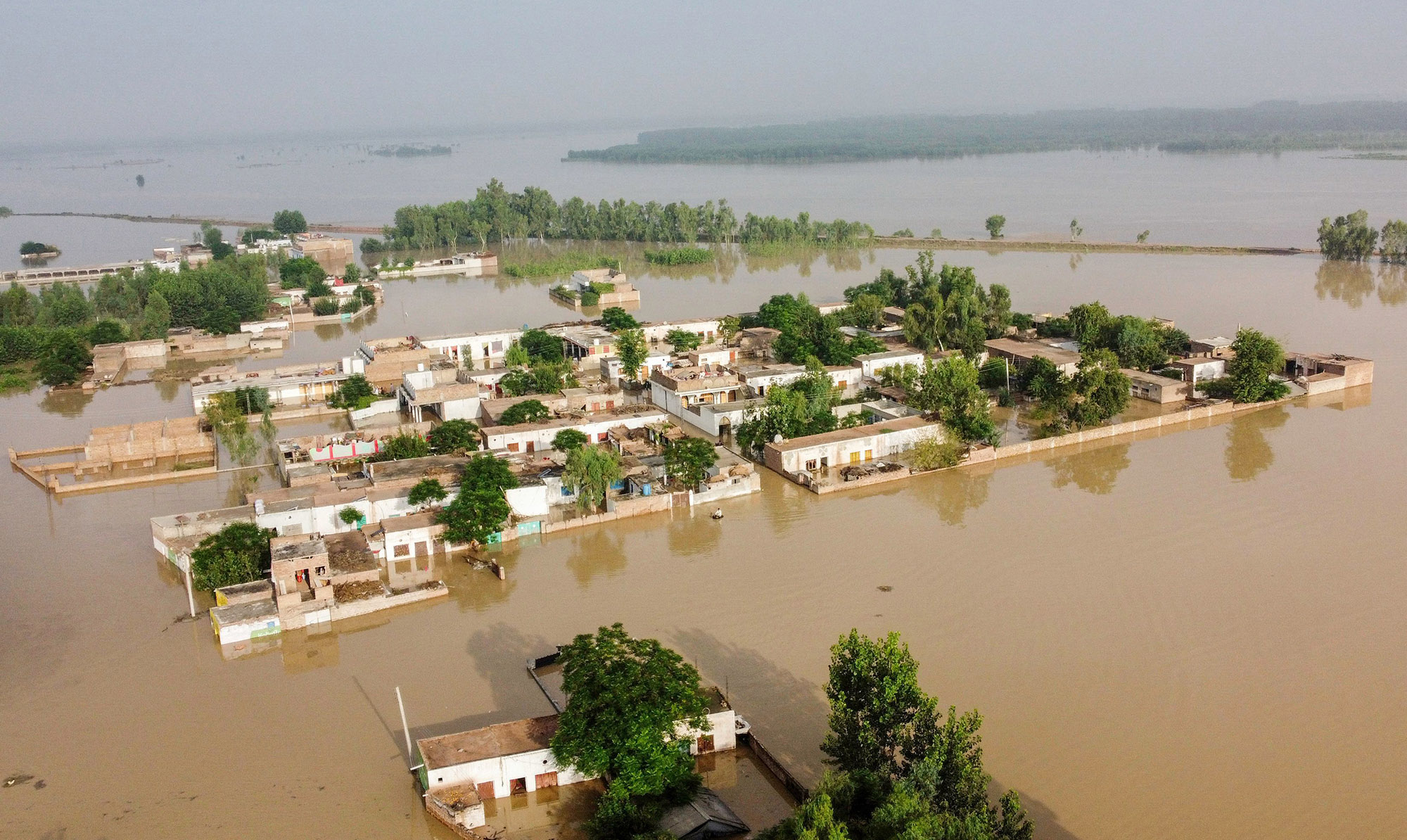
To regard the recent floods in Pakistan merely as a local problem or a failure of governance is to ignore the deeper reality. This disaster is a complex, global issue directly tied to climate change and international politics. Pakistan, despite contributing less than one percent to global carbon emissions, is among the countries most severely affected by these changes. To understand the causes and responsibilities, we must examine the crisis in a broader context.
Climate Change and Its Intensifying Effects
Climate change driven by the massive carbon emissions of industrialized nations—is now manifesting its devastating consequences.
Unprecedented Rainfall: Worldwide rainfall patterns have grown increasingly erratic. In Pakistan, the monsoon rains have become far more intense and unpredictable than before. Neither the country’s climate infrastructure nor its rivers and canals are capable of absorbing these torrential downpours.
Melting Glaciers: The glaciers of northern Pakistan are melting at an alarming pace, a direct outcome of rising global temperatures. This sudden surge in glacial meltwater overwhelms river systems and triggers catastrophic flooding downstream.
Global Injustice: Developing nations like Pakistan urgently require funding to cope with climate change. Yet, international pledges such as the Green Climate Fund often remain unfulfilled. This exposes the inequitable and irresponsible behavior of the global community.
International Politics and the Politics of Water
Flooding in Pakistan is also tied to the geopolitics of rivers and transboundary water management.
Rivers from India: Most major rivers flowing into Pakistan including the Sutlej and Chenab—originate in India. Despite the Indus Waters Treaty, timely and transparent sharing of information about water releases remains inadequate. When India discharges excess water from its reservoirs, the flood risk in Pakistan’s low-lying regions multiplies.
Lack of Global Water Rights Framework: No clear, enforceable international regulation governs the fair use of shared water resources. As a result, one nation’s decisions can have destructive consequences for its neighbors.
Human and Economic Toll
The floods have inflicted widespread loss of life, property, and livelihoods across the country.
• Casualties: More than 400 people have lost their lives, with over 240 injured due to torrential rains and flooding.
• Agriculture: Millions of acres of standing crops have been destroyed, dealing a crushing blow to farmers.
• Infrastructure: Roads, bridges, and communication networks have suffered extensive damage. Thousands of homes are either partially or completely destroyed, leaving countless families without shelter.
Most Affected Regions
Khyber Pakhtunkhwa: The province is among the hardest hit, particularly the upper regions of Swat, Buner, Bajaur, Torghar, Mansehra, and Battagram.
Sindh and Balochistan: These provinces bore the brunt of the 2022 floods as well, which killed more than 1,500 people and affected over 30 million residents.
Punjab: Lahore, Sheikhupura, Kasur, Okara, Gujranwala, Sialkot, Multan, Muzaffargarh, and Bahawalpur districts have also experienced significant flooding.
Areas at Future Risk
The National Disaster Management Authority (NDMA) and the Meteorological Department have warned of further heavy rains in the coming days. Parts of Punjab and Balochistan remain especially vulnerable. Rising water levels in the Sutlej, Beas, Ravi, and Chenab rivers threaten communities living near riverbanks with additional loss of life and property.
Conclusion: A Shared Global Responsibility
The recent floods in Pakistan are not merely a natural calamity; they represent a man-made disaster born of climate change—a crisis driven by industrial emissions and exacerbated by unjust global politics.
For Pakistan to recover and for future catastrophes to be prevented, the international community must accept its responsibility:
• Financial Support: Developing nations must receive immediate funding to strengthen infrastructure and adapt to climate impacts.
• Global Water Policy: International agreements must establish fair, enforceable principles for the use and release of shared water resources.
Unless the world recognizes this as a global crisis rather than a regional problem, such devastation will continue to recur with greater frequency and severity.