Monthly Archives: June 2025

White Poison

Diabetes may seem like a common everyday illness today almost everyone knows someone battling it. But there was a time when it invoked the same fear and dread that cancer provokes in people today. Back then discovering that this condition stems from a lack of or absence of insulin was an immensely challenging feat. The story of the doctors who pursued this discovery is a testament to the power of tireless effort determination and courage proving that sheer willpower can overcome even the most daunting of obstacles.

Someone once said it well: when thoughts begin to wander, they can take you anywhere. Especially when you are waiting for someone and the wait grows longer and longer, your mind seems to drift even more freely. It feels as if, with nothing particular to do or focus on, your thoughts run unchecked. The mind turns into an open field where horses of thought race from one end to the other without reins. That was exactly my state. As the minutes of waiting stretched on, the discomfort of anticipation slowly changed into outright anguish. It was in that moment of unease that my thoughts were carried back to a poetry collection I had read years ago Ubaidullah Aleem’s “Moon face, starry eyes”. Almost spontaneously, a couplet I had first come across some twenty-odd years ago surfaced in my memory. I cannot recall it perfectly — time has a way of softening the edges, but it was a verse that had struck me deeply back then, and somehow it is still tucked away in some corner of my mind.

The sun is not pleasant by day, nor the moon by night;
What kind of feasts are these passing over us?

If there is any mistake in the couplet, please kindly forgive it, knowing that over twenty years have passed and time’s dust has settled on it. If this apology does not satisfy you, then we recall a few verses from a poem by Mustafa Zaidi, in which you surely will find no errors.

Meet me one last time, so that a burning heart
Turns to ashes, needing nothing more

Let the torn hem not be mended, nor the wounds of desire healed
May the breath remain steady, and the flame of the candle not flicker

Let the words be just enough for moments to count them
If a glance raises any hope, let the eyes be taken away

There was no mention this time of a meeting that would lead to yet another encounter. The poem spoke of a final meeting, but for us, it was certainly not the last. However, an important meeting with Mr. Saleem was indeed scheduled—one that seemed to become increasingly unlikely as the moments passed.

After a long wait of three hours, it began to feel as though this meeting might not happen at all. Just as our patience was wearing thin, the doorbell rang. Moments later, a child came to inform us that Mr. Saleem had arrived. He immediately sank onto the sofa. Though we were frustrated from the long wait, seeing his condition made us fall silent. His face was flushed and he looked utterly exhausted. Before we could ask about his health, he spoke up himself. “Friend, I’m feeling really unwell today. The weakness is so overwhelming I didn’t even want to get out of bed. But since I had promised, I had to come.” Hearing this, my mind instantly drifted back to a few years ago when Mr. Saleem was in robust health — tall, with a clear complexion and a well-built body. Suddenly, it seemed as if he had begun to wither away, as if someone had squeezed the life out of him. Just as I was reflecting on the past, he said, “I’m terribly thirsty. It feels like my tongue has turned into a piece of leather. Please get me some water quickly.” After two glasses of water, he cleaned his glasses and continued, “I also need to go to the restroom.” I accompanied him to the restroom and, while returning, reflected on how diseases can drastically change a once healthy person’s life. You might have guessed by now symptoms like weakness, intense thirst, poor eyesight, and frequent urination all point to a disease that has become as common as high blood pressure these days: diabetes.

In the last century, if a doctor told a patient they had diabetes (commonly known as sugar), it was considered more terrifying than a death sentence. Recovery seemed possible only through a miracle. However, in today’s world, diabetes has become a manageable condition, and after the discovery of effective treatments, it is no longer a life-defining curse. In the United States, two tennis players—Hamilton Richardson and William Talbert—both suffered from diabetes. Yet, through disciplined diet and insulin therapy, they managed to keep themselves fit and competitive.

Types of Diabetes

There are two main types of diabetes found in patients:

1. Diabetes Insipidus
This is a rare form of diabetes and is often described as “tasteless.” It is characterized by extreme thirst. The hallmark symptom of this condition is an unquenchable thirst.

2. Diabetes Mellitus
This is the more common form of diabetes, known for the “sweet” taste of the urine due to excess sugar. Until the 1920s, there was little distinction between these two types, but later chemical analyses clarified the difference.

The word “Diabetes” originates from Greek, meaning “to flow,” as patients with this condition pass urine in large quantities. However, frequent urination does not necessarily mean a person has diabetes; there can be other reasons for this symptom as well.

Symptoms of Diabetes

1. Polyuria: The patient urinates excessively, passing nearly 17 pints of urine in 24 hours. This urine contains approximately two pounds of sugar. Due to this, the bladder becomes affected and loses control, causing urine to slowly leak out. As a result, clothes often become wet and stiff, and white stains may appear on shoes.

2. Increased Thirst: Excess loss of water leads to persistent and intense thirst.

3. Increased Hunger: Due to the large amount of sugar lost through urine, the patient experiences excessive hunger. The sugar excreted in urine is known as glycosuria.

A diabetic patient’s tongue often becomes dry, red, and glossy. Gums may swell, and saliva production increases. If left untreated, the patient’s hunger will increase, but fatigue will also set in. As the disease progresses, itching and restlessness develop. If ignored for a prolonged period, the patient may slip into a coma, which can be fatal without immediate treatment. This severe state occurs when the level of ketones in the blood rises significantly.

Before falling into a coma, the patient’s voice becomes heavy, severe headaches occur, and limbs become numb. Gradually, the patient loses consciousness.

Diabetes Testing

Take a few drops of urine in a test tube and add half a teaspoon of Benedict’s Solution. Mix the contents thoroughly. Now, place the test tube in boiling water for about five minutes.

• If the liquid remains blue, it indicates no sugar in the urine.
• If the color changes to green, it signifies a small amount of sugar.
• A yellow color suggests a moderate level of sugar.
• If the solution turns orange or red, it means there is a high concentration of sugar present.

This simple test provides a quick insight into sugar levels in the urine, helping to identify potential diabetes cases.

The History of Diabetes

Diabetes is not a new disease, but it has spread rapidly over the past 50 years. Ancient Hindu and Roman civilizations were aware of this condition. Paracelsus, a pioneer in medicine, observed that patients’ urine contained nearly four ounces of a substance resembling salt. At that time, people were unfamiliar with white sugar, and the sugary substance in the urine appeared similar to salt crystals. Wales, a scholar teaching at Oxford, was the first to analyze the blood and urine of diabetic patients. His experiments revealed that their urine was surprisingly sweet—almost like honey. In 1775, Matthew Dobson conducted fermentation tests on urine and confirmed that the sweetness was due to sugar. Twenty-one years later, John Rollo introduced dietary treatment for diabetes by recommending patients consume meat and low-carbohydrate vegetables. Today, we understand that diabetes results from dysfunction in certain glands. Although the existence of these glands was known in ancient times, their functions remained a mystery. In 1945, Bouchardet became the first researcher to link the pancreas to diabetes, marking a major milestone in the understanding of this complex disease.

In 1886, Johan Conrad Brunner revealed that the pancreas plays a crucial role in helping the body utilize fats and sugars effectively.

In 1889, Oscar Minkowski and Joseph demonstrated this through experiments on dogs. They anesthetized several dogs and surgically removed their pancreases. Although all the dogs survived the operation, within four to six hours they began showing symptoms of diabetes producing large amounts of urine that contained sugar. Remarkably, one dog excreted nearly two ounces of sugar in a single day. During this period, the blood sugar levels in the dogs rose significantly.

Experiments on Dogs

The duct from the pancreas that connects to the small intestine was surgically sealed. Despite this, the dogs remained healthy. This indicated that besides the pancreatic juice entering the small intestine through this duct, there must be some other factor responsible for the utilization of sugar.

Minkowski’s Experiments

Minkowski removed the pancreas from a dog but soon after implanted pieces of it under the dog’s skin. Remarkably, the dog continued to live a normal life and did not develop diabetes, even though no enzymes from the pancreas reached the small intestine. This experiment revealed that the pancreas produces something that enters the bloodstream directly. After conducting experiments on various animals, researchers identified a hormone, which was named insulin.

The term “hormones” was first used in 1905. These substances are produced by the endocrine glands and enter directly into the bloodstream.

During his experiments, the Islands of Langerhans revealed that the pancreas contains two types of cells. One type resembles clusters of grapes, while the other appears as small islands or islets with distinct shapes. In 1893, it was proposed that the latter type of cells plays a role in controlling blood sugar. Because of this theory, these clusters were named the “Islets of Langerhans.” Further research showed that in patients with longstanding diabetes, these islets either diminish or become deformed.

In the past, physicians followed the practice of feeding patients the healthy organs of animals corresponding to their ailment. For instance, someone suffering from liver disease would be given the liver of a cow or goat to eat. In a similar vein, Minkowski fed the pancreas of healthy animals to dogs afflicted with diabetes. However, this approach did not yield any significant improvement in their condition.

Functions of the Pancreas

The pancreas performs two vital functions:

1. It secretes important digestive juices that aid in breaking down food.

2. It produces insulin, which enters the bloodstream and helps the body utilize the sugar present in food.

The Gratitude Owed to Banting

Frederick Grant Banting worked at a hospital in Canada. When he decided to pursue his FRCS qualification, his research focus was the pancreas, as it was closely linked to diabetes. He had studied extensively on the subject. He also came across the work of Zueler, who in 1908 had treated six diabetic patients using pancreatic extract. While the treatment showed some improvement, the patients suffered severe chills and fever. October 30, 1920, marked a pivotal day in Banting’s life. He was preparing a lecture on the pancreas to be delivered in the coming days. As part of his preparation, he studied various books covering surgery, gynecology, and obstetrics. During this research, he came across an article by Moses Baron that opened up new avenues of thought and investigation.

Baron noted that according to post-mortem reports, individuals who had died due to gallstones had their pancreatic ducts blocked by these stones. As a result, the cells responsible for producing digestive enzymes had either shrunk or died. However, the Islets of Langerhans remained remarkably healthy. Baron also pointed out that in such individuals, blood sugar levels consistently remained normal.

After much contemplation, Banting concluded that a certain deficiency in the pancreas must be linked to diabetes. As he pondered this thought, he fell asleep. Suddenly, at two in the morning, he woke up, switched on the light, and began writing. His notes read: “Ligate the pancreatic duct of dogs. Wait for six weeks. Then remove and extract.” After jotting this down, he turned off the light and went back to sleep.

“Ligate” is a medical term that means to tie tightly. It is commonly used in reference to arteries, veins, and ducts.

Banting believed that the pancreas secreted some substance that controlled sugar levels. If he could isolate this secretion, he could potentially cure diabetes. The next morning, he presented his idea to his supervisor. After hearing him out, the professor sensed there was some truth in Banting’s hypothesis. However, the necessary equipment Banting needed was not available to them. The professor advised Banting to meet Professor J.J.R. Macleod, the head of Physiology at the University of Toronto. Banting approached Macleod with a request for ten dogs and a laboratory assistant for an eight-week research period. Although Macleod was initially skeptical due to many unproven theories, Banting’s conviction impressed him, and he agreed to support the research.

Experiments on Dogs

In May 1921, Banting travelled to Toronto to begin working with Macleod. Macleod assigned him two assistants, each helping for four weeks. By drawing lots, Charles Herbert Best, a physiology graduate student, was chosen to assist Banting during the first four weeks. After those weeks, Nobel was supposed to join, but he never arrived, missing an opportunity for recognition.The experiment was conducted on ten dogs. The ducts of their pancreases were ligated and then removed. As a result, all the dogs’ pancreases shrank in size. The acinus cells, responsible for producing digestive juices, also ceased functioning.

Banting and Best carefully cut the pancreas into tiny pieces and ground them with sand. They then mixed this with seawater, which has a salinity and chemical strength similar to that of blood and bodily tissues. Interestingly, very few people know that the chemical composition of seawater closely resembles that of human blood. After filtering this mixture, they were able to inject the solution into animals, marking a crucial step in their research.

All the dogs from which the pancreas had been removed developed diabetes. When they were given injections of this solution, their blood sugar levels—which had soared to dangerously high levels—dropped rapidly. The sugar stopped appearing in their urine, and their wounds began to heal. The dogs regained their lost strength and lived for a considerable time. However, Macleod was not completely satisfied with these results. He instructed Banting to repeat the experiment to ensure consistent and reliable outcomes.

Victory Over Diabetes Was Not Yet Achieved

Banting’s experiments did not signify the final success; rather, they marked the beginning of a long journey ahead. Numerous obstacles awaited to be overcome along the way. To speed up the extraction process, Banting administered secretin injections to his animals for several hours until the acinar cells died. Afterwards, he ground and filtered the pancreases. This method produced much better results, but Banting noticed that the acinar cells were not completely eliminated, which caused toxins to spread among the dogs.

During his experiments, Banting had a breakthrough idea: the pancreas of a newborn calf might contain insulin, but possibly not trypsin — an enzyme found in pancreatic juice that breaks down insulin. This made sense because digestive enzymes are not needed before birth. Before birth, the fetus receives nourishment directly from the mother and therefore does not require digestive juices.

Best and Banting extracted insulin from the pancreases of newborn calves using alcohol. This insulin was then administered to diabetic dogs. Those treated with the insulin remained healthy for nearly ten weeks, while the dogs that did not receive the injections died within a few days.

Banting and Best injected each other to prove that insulin was safe and would not harm humans.

However, current research shows that taking insulin unnecessarily can be extremely dangerous and may even lead to death. Afterward, Banting and Best requested volunteers for their trials. Three patients were given insulin injections, resulting in a rapid drop in their blood sugar levels and a significant improvement in their health. Unfortunately, each patient developed an abscess at the injection site, which was a serious complication.

MacLeod soon realized the significance of Banting’s work. In 1922, he assigned his entire staff to focus on the properties of insulin and making it suitable for human use. Dr. J.B. Collip was appointed to oversee this crucial task. Collaborating with Best and Scott, they succeeded in producing insulin in large quantities. Since then, insulin production has continued to evolve and improve. Best developed “Zinc Protamine Insulin,” which could control blood sugar levels for twice as long compared to insulin extracted directly from the pancreas. This innovation meant that instead of multiple daily injections, only a single injection was needed. While Dr. Pegandorn initially created protamine insulin, it was Best’s insight to combine it with zinc that marked a major breakthrough.

Banting and Best were rightfully awarded the Nobel Prize for their groundbreaking work. Banting received numerous degrees and honors from various universities and scientific institutions in recognition of his contributions. Best also earned significant acclaim and respect for his invaluable role in this medical breakthrough.

The Achievement of Cloning

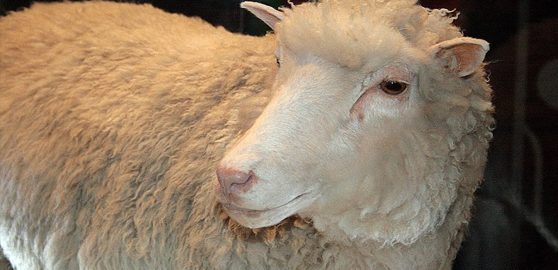
“Dolly,” the sheep, is being hailed as a truly extraordinary milestone in the history of asexual reproduction. However, upon closer examination, there appears to be nothing exceptionally novel about the role played by genes or chromosomes in this process. The reality is that the mammary gland tissue taken from the first pregnant sheep already contained a full, diploid 2n set of chromosomes. This sheep itself was born through the conventional process of sexual reproduction, that is, the fusion of male and female gametes. In other words, the chromosomes in the mammary tissue were naturally present in a complete set, carrying all the usual genetic traits of a typical sheep. To put it simply, this was a case where the honeymoon took place first and the wedding ceremony was held afterward.

What is a Clone?

“A clone is a group of animals or plants produced artificially from the cells or cuttings of an ancestor, and is identical to that ancestor in every way”

In the definition above, one flaw in my view is the emphasis on the word artificial. Consider the common plant Bryophyllum, also known as the sprout-leaf plant in English and Patthar Chat in Urdu. Its leaves are serrated, as shown in the figure, and when an old leaf falls onto soil, or when a leaf is simply pressed against soil, new vegetative buds sprout along its edges. From these buds, tiny roots grow downward into the soil while tiny leaves grow upward. Eventually, one leaf can give rise to many new plants. This is an example of cloning that happens naturally. Asexual reproduction also occurs naturally in many lower animals.

For instance, in protozoans like Paramecium, asexual reproduction takes place rapidly and continuously as part of their life cycle. The same is true for creatures like Hydra, Vorticella, Planaria, starfish and earthworms, which reproduce through budding and cuttings, either naturally or artificially. Even crops like sugarcane and roses are cultivated this way in our gardens and farms.

However, higher animals such as birds and mammals reproduce exclusively through sexual reproduction, where two distinct cells, sperm and ovum, must fuse to create a new life. Only after this fusion can an embryo begin to grow. But at a very early stage, when the embryo is just a tiny ball of about 32 cells, known as a morula, if it accidentally or deliberately splits into two halves and both halves continue to grow normally in the mother’s womb, the result is a pair of identical twins, also called homozygous twins. Both come from the same fertilized egg, known as a zygote, and are genetic duplicates of one another, in other words, natural clones.

In Dolly’s case too, the cloning process involved transferring the nucleus of a mammary gland cell into an enucleated ovum, then implanting this reconstructed embryo into the womb of a surrogate sheep. After successfully overcoming various technical challenges, this first-of-its-kind feat, the birth of a genetically identical sheep, took the world by storm and is rightly celebrated as a landmark in biological science.

The following article first explores the process of asexual reproduction in Paramecium and then goes on to shed further light on the methodology of cloning and its outcomes.

Natural Cloning in Paramecium

As the preceding discussion has already suggested cloning is by no means a new concept. Nature has been producing entire generations by this very method for millions of years. What Ian Wilmut achieved with Dolly the sheep differs in a few significant ways from this natural process and we will explore those differences with a few examples.

In lower order unicellular organisms like Paramecium the standard mode of reproduction is asexual. Everyone is familiar with the process. When asexual reproduction takes place the micronucleus of Paramecium divides by mitosis into two daughter nuclei. This is followed by cytoplasmic division. The chromosomal material and its number remain unchanged. Both the mother and the two daughter cells remain diploid (2x) with no male or female pronuclei involved at any stage. This is the straightforward process through which this microscopic organism propagates its species. It is cloning in its most natural form.

If we continuously renew the culture medium for example replacing aged hay infusions with fresh ones this cycle can continue across many generations until senile decay eventually sets in. At that point the organism must resort to a different reproductive process called conjugation which restores nuclear vitality. This also underscores an important point. Compared to asexual reproduction sexual reproduction holds an evolutionary advantage.

Following conjugation and nuclear reorganization Paramecium resumes its usual mitotic cycle creating successive generations or clones of the same genetic material as long as no external factors like radiation or other natural or artificial agents introduce chromosomal changes.

A second example is the aphid or greenfly a notorious pest that wreaks havoc on crops. In this species multiple generations also reproduce clonally though in a quicker more straightforward manner. Here the so-called stem mothers produce successive generations of nymphs without mating. These nymphs all females grow up to repeat the process without fertilization. This parthenogenetic cycle can produce several generations in a single season.

Yet there is a key difference between aphids and Paramecium. In aphids’ chromosomal material is haploid (x) as this form of reproduction known as virgin birth or parthenogenesis bypasses the fusion of male and female gametes entirely. Even queen honeybees if not fertilized by a drone will produce male drones by this process alone. Female bees normally carry diploid (2x) chromosomal material resulting from fertilized eggs while unfertilized eggs produce haploid (x) drones.

The important distinction between Dolly the cloned sheep and a drone bee is chromosomal. Dolly was created from a diploid (2x) nucleus fully equipped with the chromosomal set of a typical sheep. Drones by contrast possess only a single set of chromosomes (haploid). Our earlier article on the virgin birth of Jesus also noted that parthenogenesis the miraculous conception by divine will is impossible in higher animals without the fusion of two gametes. Lower organisms and plants often propagate by fragmentation as well a process that also retains the full diploid set. Consider the banyan tree. Even a small piece of its root if left intact in soil or crevices will eventually grow into a new full fledged tree.

In all these examples the concept of cloning holds true. Whether by natural means such as parthenogenesis and budding or through artificial processes like the one that produced Dolly cloning is fundamentally about creating new individuals genetically identical to their ancestors except where outside factors cause variation.

The cloning of Dolly the sheep which is being celebrated as a triumph of genetic engineering and the creation of a clonal lineage reveals no extraordinary role played by genes or chromosomal carriers. One of the most remarkable aspects as described in reports is that Dolly was created without the direct fusion of male and female gametes. Even though newspaper accounts suggest that only the male cell was eliminated from the process the deeper reality is more nuanced.

The donor ewe sheep number one from which the mammary gland tissue was taken already carried a full set of diploid 2x chromosomes. This ewe like any other sheep was conceived and born through the usual sexual process that is the fusion of gametes. In other words, the chromosomal makeup of this donor tissue was no different from that of a fertilized egg it was already equipped with a full set of male and female chromosomal contributions each with its regular genetic characteristics.

While this donor cell was never technically referred to as a zygote probably for strategic reasons it essentially performed the role of one. That is because the fertilization that normally occurs between male and female gametes had already taken place long before inside the donor sheep itself. It would not be wrong to say that in this case the honeymoon had already happened, but the wedding ceremony was held later and the resulting birth was publicized in February 1997 by Nature magazine.

The cells extracted from the mammary gland of donor sheep number one let us call her D.S.1 could themselves be thought of as preformed zygotes or substitute zygotic cells. Calling these cells a zygote or an artificial gamete is accurate in every sense. In Dolly’s case aside from the two parental contributions there was also a third participant a host cell. This was an unfertilized ovum obtained from the ovary of another surrogate sheep. The ovum’s nucleus which contained a single set of X chromosomes was removed. Researchers had already borrowed the entire chromosomal DNA from D.S.1’s 2x donor cell using it as a complete artificial zygote.

Characteristics of Undifferentiated Udder Tissue

All mammary glands share a particular structure. The undifferentiated cells within them can transform into a new form much like the sebaceous glands in the skin that produce oil. Under the influence of certain hormones these cells rearrange into alveolar glands or racemose glands grape-cluster-shaped structures and begin producing milk. In my view one could also derive this material from cells present in the lower layers of the skin such as oogonia the Malpighian layer or spermatogonia. The early structure of these racemose glands is like a blastula and under the action of pituitary and other hormones they undergo rapid division much like the cleavage stage of embryonic development.

In the case of Dolly, the sheep a key innovation was the researcher’s clever selection of these undifferentiated or semi-differentiated cells from a pregnant ewe just before it was about to give birth. Initially they froze the tissue using the in vitro fertilization technique and cryopreserved it to slow or halt its cell division. Next an unfertilized ovum was taken from an intermediate donor ewe we can call her ID.S.II and its nucleus containing X chromosomes was removed. Contrary to what newspaper reports claimed that only the male nucleus was removed it was the female nucleus that was extracted.

Then the substitute gametic cell containing the full 2x chromosomal set was carefully introduced into the enucleated ovum under a microscope and fused with it. This entire process was conducted in a Petri dish under in vitro conditions. To facilitate successful fusion between the enucleated ovum and the donor cell a gentle electrical pulse was applied. This created an artificial zygote a cell equipped with all the required chromosomal material and cytoplasm provided by the ovum to nourish and grow.
Here it is not specified whether only the donor cell nucleus was retained or the entire donor cell minus its outer membrane was fused into the enucleated ovum. A significant difference between traditional IVF and Dolly’s cloning process is that in IVF fertilization takes place between one male and one female gamete whereas here a fully diploid cell was implanted into an enucleated ovum.

The most challenging part of this process was selecting a host ovum that would minimize immune rejection which is why a ewe of the same breed was chosen and one whose cytoplasm could support the substitute zygotic cell adequately. To complete the fusion microsurgery was performed to introduce the donor nucleus into the host ovum followed by another gentle electrical pulse to encourage the two cells to unite.

This was by far the most difficult stage of the operation. Following this the artificial zygote was nurtured in vitro under controlled temperature and nutrition and additional electrical stimulation prompted the zygote to undergo cleavage. Researchers conducted a total of 277 such experiments of which only 29 substitute zygotic cells successfully began cleaving. Out of those 28 failed and only one survived. This successful embryo was implanted into the uterus of a surrogate ewe let us call her surrogate mother number III and was closely monitored with hormonal treatment and expert gynecological care.

After all these painstaking efforts the researchers finally succeeded in bringing Dolly into the world a true gift of modern science. The success rate was only 1 in 277 which equates to approximately 0.0003 percent a remarkably low percentage that underscores the complexity and difficulty of this achievement.

It is important to draw attention to an early twentieth-century event involving a Russian biologist who was studying dogs and their conditioned reflexes. He began training mice to respond to the sound of a bell by going to the food plates. Initially, after about a hundred lessons, he noticed that on the hundred and first trial the mice, upon hearing the bell, would even rush to empty plates. The second generation learned this behavior by the ninety-ninth trial, the third generation in fewer trials, the fourth even fewer, and by the fiftieth generation the mice would run to the plates after hearing the bell only a few times. This researcher, Pavlov, demonstrated that certain behaviors could be inherited according to Lamarck’s theory of the inheritance of acquired characteristics.

Psychologists and zoologists in Western countries studied this research with great interest and tried to replicate the experiment in their own laboratories, but the results were negative every time. This caused considerable debate in scientific circles. For this reason, we should grant full acceptance of Ian Wilmut’s achievements only after further experimental verification. With due respect to Wilmut, when it comes to embryonic cells—such as the morula stage consisting of about thirty-two fertilized cells or any part thereof—the transplantation of such cells into the uterus of a nursing female of the same breed has been successful. Cows and goats of this kind have already been produced. Therefore, it would be unfair to dismiss Wilmut’s experiment outright.

Now the question arises: could the entire process have been accomplished using just one ewe? That is, taking undifferentiated cells from the mammary gland of a single pregnant ewe and transplanting them into her uterus by Wilmut’s method. Both methods only produce female clones, but if the experiment is carried on for many generations, there is a risk that the genetic material, such as DNA, will deteriorate due to senile decay and become less viable. To rejuvenate the clone, it would be necessary to take fresh cells from suitable sheep tissue. Since each cell in this tissue carries XY sex chromosomes, any clone derived from it would consist only of male sheep.

Could an even more interesting scenario be created by obtaining suitable human tissue cells and implanting them into a cow’s uterus? This would first require overcoming immune rejection of the foreign tissue. Secondly, the difference in gestation periods between species would have to be addressed by developing methods to manage it. Artificial induction of labor and labor pains would be necessary to deliver the cloned human. Would religious and public opinion raise objections to producing human clones in this way and transplanting their organs?

Another remarkable incident

In a contemporary national journal, a curious story related to cloning was shared, which, in my humble opinion, seems hard to believe. It involved experimental treatment for a woman’s infertility. Doctors used frozen reproductive cells—note, the original author referred to them as “reproductive cells,” while the more accurate term would be early embryonic cells. The process involved rubbing a single cell with a glass rod in the laboratory to make it easier to implant into the uterus. To the doctors’ surprise, three weeks later, they discovered that this rubbing had caused the single cell to split into two embryos. As a result, a four-year-old boy is now living with his parents and an identical twin brother in southern Belgium.

In our view, this was not merely a single sperm cell but rather a very early-stage human embryo, most likely at the early morula stage—consisting of 16 to 32 cells—that had undergone cleavage. The rubbing caused it to split into two parts, each developing into an identical twin. There is nothing truly astonishing or inexplicable about this event to call it extraordinary. In fact, what is more surprising is the simplicity with which the embryo was reportedly transplanted into the uterus.

Even if we accept that “reproductive material” meant sperm cells obtained from a man and inserted into the uterus where normal fertilization (fusion) occurred to form a zygote, which then began cleavage, the initial embryo would have split, eventually producing two identical twins. As far as the author’s limited knowledge goes, the embryo at the early stage is transferred to the mother’s uterus in all cases of test-tube baby births. Thus, there is no reason for astonishment or disbelief in either case.

Dr. Wilmut’s pioneering accomplishment undoubtedly involved significant investment and time. Perhaps when this method is commercialized and developed into a full-fledged industry many of the current challenges will be resolved. So far Dolly the sheep was produced with the help of three female sheep whereas naturally a single ram mates with one to three ewes resulting in offspring.

Through vivid imagery natural cloning has been demonstrated in organisms like Paramecium and the plant Bryophyllum. Such cloning occurs commonly among lower animals and ordinary plants, but nature has not favored this process for higher animals. This is because sexual reproduction introduces variation essential for the survival and evolution of species.

There is an English saying that “life itself is a miracle”. Scientists now aim to achieve the extraordinary feat of producing offspring solely from cells carrying either the X chromosome or the Y chromosome without the fusion of male and female nuclei thus generating haploid generations. Humans appointed as God’s vicegerents on Earth are certainly capable of such wonders. While polyploidy has been successfully employed to cultivate plants could haploidy not enable similar breakthroughs? Aphids and honeybees after all have naturally reproduced this way for centuries. Perhaps even sheep might.

While the above methods seem to raise fewer ethical religious or social objections complex questions arise when cloned organs like kidneys brains corneas or hearts are transplanted into other individuals. The donor clone might become a mindless being devoid of intellect and soul. Could such a clone ever compose poetry like the great poet Biddil or write heartfelt praises of the divine? The famous saying goes that courage and great deeds require heart and kidneys. Such a clone may not even be able to compose poetry. Imagine the chaos if the brain of a donor clone were simply filled with straw.

Consider the dilemma of a woman frustrated by infertility due to defects in her husband’s semen who uses tissue from an unrelated man to conceive a male child in her own womb. What verdicts would religious scholars of the People of the Book and our own Islamic jurists pronounce on such a matter?
The text also discusses advances in overcoming issues related to tissue compatibility and gestation periods. These breakthroughs might one day enable simultaneous transplantation of multiple human tissues into the wombs of cow’s buffaloes and elephants potentially resulting in several humans being born from a single elephant. Similarly, half a dozen sheep or goats could be produced simultaneously. Even more fascinating tissues from various European breeds could be transplanted into an African elephant’s womb possibly resolving the scarcity of that species.

Another question naturally arises will humans eventually reproduce without requiring specific male and female contributions? Will both sexes willingly forgo the pleasures of intimacy? How long can a healthy person subsist on thin artificial nutrition delivered via drip? Can this fulfill natural hunger and desire?

The fulfillment of hunger is more than just food intake it involves the aroma the touch of fingers the pleasure of chewing the feeling of fullness the refreshing coolness of water the warmth or chill of food and the lively conversations around the table. Similarly sexual satisfaction is vital for the physical and neurological health of individuals young middle-aged and elderly alike. Nearly every society and religion has acknowledged and permitted lawful means for fulfilling this need. Marriage is regarded as a moral and social necessity. Islam for instance emphasizes marriage through the Prophet’s teaching that those who neglect marriage without excuse are not among his followers. The Quran in Surah An-Nur verses 31 and 32 also stresses the importance of marriage.

The investment in cloning technology is enormous and success rates remain low. Early experiments involved freezing and hibernating semi-differentiated tissues aided by chemical and hormonal treatments. Implanting these early embryos into substitute mothers may shorten the process though this remains speculative.

Cloning has naturally occurred in lower unicellular and acellular organisms’ plants and simple animals for eons. However, nature has not favored this method for mammals and higher animals primarily because cloning eliminates the natural opportunity for genetic variation a vital aspect of sexual reproduction that mixes the DNA and RNA of both parents. Furthermore, nature produces offspring through haploid reproductive cells such as X chromosome-carrying ovum cells in bees and aphids. Can humans replicate this divine creative act in mammals?

Sometimes I seek the joy of union, sometimes the pain of separation. The pleasure of union is not only linked to the refined emotions and feelings of humans but is also deeply embedded in the very life force of creatures with lesser intellect, especially birds, right down to their veins and nerves. Therefore, in my humble opinion, this method should remain confined to a very limited circle of animals only. Humans are largely unfamiliar with the language and emotions of animals and often perform experiments on them that they would never consider acceptable for themselves. It is possible that someday, an advocate for animal rights will emerge from among humans and succeed in passing legislation to prohibit such unnatural methods of animal reproduction. It is heartening, however, that some countries in America and Europe have already imposed bans on human cloning.

The bottom line of this entire debate is that Dr. Wilmut’s efforts are not only exceptionally intriguing but also represent a remarkable scientific breakthrough. Yet, further trials must be conducted elsewhere because out of 277 attempts, only one succeeded, a success rate of just 0.003 percent. This success involved the morula stage or a part of it, which, when implanted into the womb of a nursing female of the same species, resulted in successful pregnancies. Such cloned cows and goats have already been born. Hence, doubting Dr. Wilmut’s experiment would be unfair.

The question now arises: couldn’t the experiment have been done using just one single ram? Meaning, why not implant the cell obtained from the testicle of the same ram into the womb of the ewe using Dr. Wilmut’s method? Both approaches only produce female clones, but if the experiments continue generation after generation, there is a real risk that the genetic material, DNA etc., may suffer from senile decay and lose viability. Therefore, to rejuvenate the clone, a suitable tissue sample must be taken from a healthy sheep. Since every cell in that tissue contains XY sex chromosomes, the resulting clones will all be male.

Natural cloning is observed in lower animals and common plants but is not deemed suitable for higher animals by nature because sexual reproduction introduces genetic diversity, which is essential for life. There is an English saying: “Variety is the spice of life.” Now, science seeks to achieve something extraordinary, producing haploid offspring from only X or Y chromosome-bearing cells without the fusion of male and female nuclei. Allah has appointed humans as His vicegerents; surely, He has given us the capacity to achieve this. Polyploidy has already been used to develop plants, so why not haploidy? Aphids and honeybees have been naturally reproducing this way for ages. Even a “Nirally” sheep might be produced similarly.

Though these methods raise fewer ethical, religious, and social objections, what if organs such as kidneys, brains, corneas, and hearts from cloned individuals were transplanted into wealthy recipients? The donor clone would become like Bedil, a poet without a heart or brain, unable to compose verses praising the Almighty or the Prophet. As the famous saying goes, courage and hard work require both heart and kidneys. Such a clone would not even be able to write poetry. Imagine the chaos if the “upper chamber” of a cloned brain were filled with straw.

Consider the ethical dilemma if a woman, frustrated by infertility due to defects in her husband’s semen, were to use tissue from an unrelated donor to conceive a male child in her own womb. What ruling would the scholars of the People of the Book and our own religious jurists give in such a case?
The lines above also address overcoming issues like tissue rejection and gestation period, promising advances that could allow multiple human tissues to be simultaneously grafted into the wombs of cows, buffaloes, and camels. This could enable many humans to be born from a single camel’s womb, and similarly, nearly half a dozen sheep or goats could be produced from one camel. Interestingly, transplanting tissues of the European “Miss Universe” into an African camel could resolve the scarcity of that breed.

This leads to another thought-provoking question: Will humans one day become independent of the natural reproductive roles of males and females? Will both sexes willingly forgo the pleasures of intimacy? How long can a healthy individual sustain himself on drips or feeding tubes alone, deprived of the natural joys and desires of food? The aroma of food, the touch of fingers, the pleasure of tasting, the feeling of fullness, the refreshment of cold water on a dry throat, the comforting warmth or coolness of meals, the lively conversations around the dining table, all these enrich the experience of eating. Likewise, fulfilling sexual desires is vital for the physical and nervous health of young, middle-aged, and elderly people. Nearly every society and religion has safeguarded this need in a lawful manner. Marriage is regarded as an ethical and social necessity. Islam, for example, stresses this through a hadith that roughly states: “Whoever among you is able to marry but does not do so is not of my community.” The Quran in Surah An-Nur, verses 31 and 32, also encourages marriage.

How much investment and effort does this entire field require? Using references like these, some jurists have even declared marriage obligatory, and poets, including Allama Iqbal, the Poet of the East, have passionately explored the fulfillment or frustration of this desire.

Future experiments and meaningful modifications will undoubtedly require time and resources. For instance, the early embryonic sac, morula shown in Figure 13, has been subjected to freezing and hibernation, likely using tried chemical and hormonal methods. Implanting such an early embryo into a surrogate mother’s womb could significantly shorten the experimental timeline, a humble opinion of course.

Cloning has naturally existed since time immemorial, albeit primarily among unicellular and acellular organisms, plants, and lower animals. However, nature has not favored this method for higher mammals. One reason is that cloning eliminates opportunities for genetic variation, an essential feature of sexual reproduction that enables DNA and RNA exchange and diversity. Another point, as mentioned earlier, is that nature produces haploid reproductive cells, ovum, only via X chromosomes, as seen in queen bees producing drones and nymphs. Can humans replicate this divine creative act in mammals?

Another question that naturally arises is whether in the future humans will become independent of the specialized roles of men and women in reproduction. Will both sexes willingly forego the pleasures of intimacy? How long can a healthy person sustain themselves solely on intravenous or tube feeding of thin or artificial nutrition? Can such a person truly satisfy their natural desires for appetite and nourishment? The fulfillment of hunger involves much more than just consuming food—the aroma of dishes, the touch of fingers, the pleasure of chewing and tasting, the feeling of fullness, the refreshing coolness of water on a dry throat, the comforting warmth or coolness of meals, lively conversations among those seated together, and countless other subtle factors all contribute to the experience.

Similarly, the satisfaction of sexual desire is essential for the physical and neurological health of a young person, a middle-aged adult, and even an elderly individual. Nearly every society and religion has recognized this need and permitted its lawful fulfillment. Marriage, therefore, is regarded as an ethical and social necessity. Islam, for instance, stresses marriage strongly through a hadith that roughly states: “Whoever among you is able to marry but does not, is not from among us [Muslims].” The Quran, in Surah An-Nur, verses 31 and 32, also emphasizes the importance of marriage.

How much investment and effort does this entire matter require? Based on such references, some Islamic jurists have even declared marriage obligatory. Our poets, too, have written extensively about the fulfillment or frustration of this desire. Take, for example, the great poet of the East, Allama Muhammad Iqbal, who wrote:

Sometimes I seek the joy of union
Sometimes the pain of separation

The pleasure of union is not only tied to the subtle emotions and feelings of humans but also rooted deeply in the very life force of lower animals, especially birds, down to their veins and nerves. Therefore, in my humble opinion, this method should be limited to a very narrow circle of animals only. Humans are largely unfamiliar with the language and feelings of animals and conduct experiments on them that they would never consider acceptable for themselves. It is possible that someday an advocate for animal rights may emerge from among humans and succeed in passing legislation against this unnatural method of animal reproduction. It is encouraging that several countries in America and Europe have already imposed bans on human cloning.

The conclusion of this entire discussion is that Dr. Wilmut’s efforts are not only extraordinarily interesting but also represent a remarkable breakthrough. However, further trials must be conducted elsewhere because out of 277 experiments, only one succeeded—a success rate of just 0.003 percent, an extremely low figure. Scientific matters often receive little attention to time and investment. Future experiments and meaningful improvements will certainly require more time and resources.
For example, the early embryonic sac composed of semi-differentiated tissue cells, shown in figure (1), has been subjected to freezing and hibernation stages—likely through chemical and hormonal methods. If such an early embryo is implanted into the womb of a surrogate mother, the experiment might be shortened. (This is merely a layman’s opinion.)

Cloning has naturally occurred for a long time, albeit mainly in lower unicellular and acellular organisms, plants, and simpler life forms. However, nature has not deemed this method beneficial for higher mammals. One reason is that cloning eliminates opportunities for genetic variation, a vital aspect of sexual reproduction that allows continuous exchange and mixing of parental DNA and RNA. Another point, mentioned earlier, is that nature produces only haploid reproductive cells—specifically X chromosome-bearing ova—such as in bees where queen bees produce drones and nymphs. Can humans replicate this divine creative act in mammals?

The Chemistry of Makeup and Adornment

The natural human desire to be attractive and visually appealing is a fundamental trait shared equally by men and women. Recognizing this inherent inclination, astute and innovative entrepreneurs have transformed cosmetics and beauty products into an essential part of modern civilization. This industry continues to grow rapidly across the globe.

The enchanting effects of makeup and adornment were so influential that as early as 1770, the British Parliament introduced a bill restricting women of all ages and classes, whether virgins, divorced, or widows, from attempting to attract men for marriage through the use of perfumes, cosmetics, artificial teeth, hairpieces, or high-heeled shoes. Such marriages would be considered null and void.

Every man and woman harbors a subtle yet persistent desire to be beautiful and to appear attractive to others. Nature intensifies this urge around puberty. The instinct for self-display, present since childhood, blossoms with age. While women tend to express this desire more visibly than men, men are not immune to it. Women go to great lengths, often with considerable effort and care, to enhance their beauty. If only such dedication were channeled towards solving other challenges, many great achievements could be realized.

Whether endowed with natural beauty or not, women use every means at their disposal to enhance their appearance. Among these, after clothing, the foremost tools are cosmetic and beautification products, items women have relied on for thousands of years to enhance their allure. Men, too, have not lagged far behind and throughout history have also used beauty products to some extent.

Humans likely began using beautifying substances thousands of years ago, even before the invention of clothing, when they would cover themselves with leaves. From then on, the use of colorful natural clays or powders applied to the body like vermilion and to the face like a veil became a form of beauty competition. This practice persists today among various underdeveloped tribes around the world, who decorate their bodies and faces in myriad ways. Indigenous peoples of North America, the Red Indians, ancient tribes along Brazil’s Amazon River, Aboriginal Australians, and traditional tribes of Assam and Hindustan all continue to adorn their bodies and faces with various colors and pigments, often red or yellow ochre, to enhance their beauty.

It is worth noting that humans have not only enhanced their appearance by applying pigments but also by tattooing, permanently marking their skin with designs. Though painful, tattooing remains popular even in developed countries like the United States, where many choose large tattoos on their arms and other body parts. Some ancient tribes even practiced full-face or full-body tattooing to create elaborate and beautiful designs. For instance, the Maori men of New Zealand traditionally tattooed their entire faces as a form of fashion and identity. While this custom has declined, many Maori men and women still sport one or two facial tattoos as a mark of their heritage.

The use of various beauty-enhancing mixtures has traditionally been aimed at cleansing the skin, removing or concealing blemishes, or simply enhancing one’s appearance. The earliest records of such products date back to ancient Egyptian civilization. Evidence of their use can be traced to the era of the first Pharaohs, who ruled between approximately 3,500 to 5,000 years before Christ. In tombs from the period between 1,350 and 1,600 BC, containers made from white marble and onyx have been discovered, which held cosmetics.

Women of ancient Egypt enhanced their beauty by applying different colors, a practice perfected by Queen Cleopatra, who magnified her allure through the use of cosmetics and perfumes. Particular attention was given to enhancing the eyes, which were naturally beautiful. Among Egyptian women, especially the Coptic women, eyes were larger and more striking compared to Arab women. Perhaps this is why, from the time of the Coptic Pharaohs, special care was devoted to eye beauty.

Eyelids and eyebrows were darkened using kohl, applied with ivory or wooden sticks. The earliest use of mirrors has been traced back to Egypt’s Sixth Dynasty, around 1,500 BC. Following this period, women also began using combs and henna to dye their hands and feet. This ancient tradition continues today in the Indian subcontinent, where girls decorate their fingers, palms, and feet with henna patterns, a custom dating back at least three thousand years.

Jewish women also have a millennia-old tradition of using beauty products and applying kohl to their eyes, as mentioned in the Old Testament. Similarly, kohl and other eye cosmetics have been used by Arabs since ancient times.

The Romans are known to have used cosmetics for over two thousand years. Emperor Nero, who ruled Rome in 54 AD, and his wife Poppaea were known for their lavish use of beauty products. They used chalk and white lead to whiten their skin, kohl to darken their eyes, and rouge on their cheeks and lips. Mixtures of barley flour and lead compounds were applied to remove blemishes and acne. Roman court ladies also used various soaps for bleaching their hair.

Like the Romans, the English in Britain have a long history of using cosmetics. Bathing in milk to enhance beauty was a common practice. Queen Mary of Scotland was famously known to bathe in vats filled with wine to keep her skin fresh and beautiful. Washing the face with wine was widespread as a method to maintain a radiant complexion.

The use of beauty products was not limited to Britain but was also prevalent across Europe. Empress Josephine, wife of Napoleon, was renowned for her extensive use of cosmetics and perfumes to maintain her beauty.

By the seventeenth century, the use of beauty-enhancing products in Britain had increased so much that in 1770, a bill was introduced in the British Parliament. This bill-imposed restrictions on women of all ages and social classes—whether virgins, divorced, or widows—prohibiting them from enticing men to marry them using perfumes, cosmetics, artificial teeth or hair, high-heeled shoes, or similar means. If it was proven that a marriage had occurred through such artifices, the marriage would be declared null and void. In other words, the use of makeup, artificial hair, and other beauty products to attract a man for marriage was legally forbidden.

Cosmetics have a long history in the Indian subcontinent as well, with their use being widespread during the Mughal era. Empress Noor Jahan, wife of Emperor Jahangir, was known for her use of cosmetics and perfumes. It is famously believed that the rose-scented perfume was invented by Noor Jahan herself.

In essence, the use of beauty and grooming products has been practiced by humans since ancient times. Today, their use has grown to such an extent that every country and society spends millions and even billions on these products. Cosmetics have become a highly profitable global industry.

In Pakistan, millions of rupees are spent annually on beauty products, and a significant amount of foreign exchange is used to import either these cosmetics or their raw materials. Cosmetics come in hundreds of varieties, but many of them can be broadly categorized into powders, creams, bath salts, deodorants, hair care products such as oils and dyes, eye cosmetics like eye shadows and eyebrow sticks, lipsticks, mascara, nail care items, and hair tonics. For men, shaving soaps and aftershave lotions are commonly used.

Most beauty products are applied to the face, hands, and other parts of the body or hair. Therefore, before assessing their effectiveness, it is important to understand the nature of skin and hair.

Human skin is a remarkable gift from nature. It is one of the largest organs of the body. For a person about five and a half feet tall and weighing around seventy kilograms, the skin surface area is roughly sixteen thousand square centimeters. Its volume is approximately two thousand four hundred milliliters, and it weighs about three kilograms.

The skin forms the interface between the body and the surrounding environment. It separates the body’s chemical and physiological systems from the external world. Among the many functions of the skin, three are particularly vital.

First, the skin regulates body temperature through the evaporation of sweat, preventing the body from overheating. Without this evaporative cooling, the body would become excessively warm, causing discomfort.

Second, the skin assists the kidneys by excreting chemical compounds such as urea through sweat. This helps cleanse the body of unnecessary substances.

Third, the skin contains antibacterial and antifungal compounds like fatty acids and other chemicals that protect the body from infections. Moreover, certain chemical compounds on the skin also play a role in emotional signaling and chemical communication.

Human skin consists of three layers. The outermost layer, called the epidermis, contains no blood vessels and receives nourishment through diffusion from the underlying dermis. Below the dermis is a third layer made up of fat cells, which protects the body’s deeper tissues and blood vessels and acts as insulation, preventing excessive heat loss. Understanding the structure and functions of the skin is essential to appreciating the real benefits and limitations of beauty and grooming products.

The upper layer of the skin, called the epidermis, varies in thickness from one to three millimeters. However, it is much thicker on the palms of the hands and soles of the feet, while the skin on the face tends to be thinner. Even within this upper layer, there are multiple layers. The inner layers are alive, but the outermost rough layer, known as the stratum corneum or the “horny layer,” consists of dead cells. This tough and protective layer is made of a fibrous protein called keratin.

In the innermost layer of the epidermis, new skin cells are produced. As these cells multiply, they move upward from the lower layers towards the surface. During this journey, their keratin content increases, and by the time they reach the surface of the skin, they have died and begin to shed as tiny flakes. This process continues constantly, with approximately one gram of these cells shedding from a person’s body every day.

These dead cells on the skin’s surface are called squames. They have the ability to absorb water, oils, and other fluids, which they then spread across the skin after releasing various substances. These are the very skin cells that combine with sweat and bath residues to form the dirt that comes off during washing. It takes about two to four weeks for a new cell formed in the lower layers to reach the surface and eventually shed.

Alongside the shedding of skin cells, lipids produced during this process spread over the skin’s surface, helping to keep it smooth and moisturized. Deficiencies of various vitamins can also be reflected in the condition of the upper skin layer.

Beneath the epidermis lies the dermis, which is composed of fibrous tissues. This layer contains elastic fibers, blood vessels, nerves, lymphatic vessels, and hair follicles. Two key proteins found in the dermis protect these fibers, while collagen, another essential protein, plays a crucial role in wound healing.

The dermis itself can be divided into two layers: the papillary layer and the reticular layer. The papillary layer contains nerve endings responsible for the sense of touch, which are especially dense at the fingertips, thumbs, nipples, and genital areas—where tactile sensitivity is the greatest. This layer gradually merges with the reticular layer below, which contains nerves, blood vessels, hair follicles, and connective tissue fibers.

The skin perceives four primary sensations: touch, cold, heat, and pain. Other sensations such as smoothness, oiliness, itching, or tickling result from combinations of these basic feelings processed by the nervous system.

The color of the skin is determined by five pigments, among which melanin is the most important. Melanin is found in brown granules in the lower layers of the skin and protects the skin from the harmful effects of ultraviolet (UV) rays. Exposure to sunlight increases melanin production. People living in warmer climates have more melanin in their skin to protect themselves from intense sunlight, which is why their skin tones are darker or more tanned. The dark complexion of Ethiopians is also due to melanin, but even the darkest Ethiopian’s skin contains no more than two grams of this chemical.
Different parts of the body contain varying amounts of melanin. For example, the face, forehead, genital areas, areolas, and nipples have higher concentrations, making them appear darker than the rest of the skin. Melanocytes, the cells that produce melanin, are sometimes found in sebaceous glands, as well as on eyelids, eyebrows, and the nipples of adult women.

The amount of melanin can increase in certain diseases and during pregnancy, causing some body parts to darken compared to normal skin. In colder countries, women often sunbathe on beaches during summer to achieve a tanned complexion, which they believe enhances their beauty. Fair-skinned women may desire a suntan so that their skin tone resembles that of those naturally darker-skinned. However, the truth is that fair-skinned populations naturally have less melanin, which protects against ultraviolet rays, compared to darker-skinned populations.

Due to the deficiency of this pigment in the skin, prolonged exposure to sunlight can cause skin cancer. This is why, in Western countries, doctors advise people against spending excessive time outdoors with exposed skin during the beginning of summer, warning them about the risk of skin cancer. Cosmetic companies have developed new formulations specifically for sunbathers, among which sunscreen products are the most prominent. These formulations are applied to the skin in the form of oils or creams. Their purpose is to reduce the intensity of ultraviolet rays rather than completely block them, enhancing the skin’s defense by thickening the outermost layer, the stratum corneum. After application, these products protect the skin for two to four hours. Additionally, there are formulations designed to prevent sunburn, as well as oils and creams that help the skin tan easily under sunlight. These suntan lotions or creams often contain para-aminobenzoic acid combined with other ingredients.

Fingerprints on the skin are unique to each individual, enabling personal identification. Police forces have long used fingerprints found at crime scenes to identify suspects. The sweat or moisture found on human skin is acidic, meaning our skin is naturally slightly sour. Research in Western countries has shown that the skin of white men tends to be more acidic than that of white women. The average pH value of white men’s skin is approximately 4.85, whereas for white women it is around 5.5. These values may vary among individuals, which is not surprising given that skin is a complex organ influenced by both genetics and environment.

The acidity of the skin is primarily due to the presence of fatty acids with antimicrobial and antifungal properties. Because of variations in skin acidity among people, cosmetic products can have different effects. For example, the quantity and quality of a beauty cream might produce different results on the skin of one woman compared to another. This is why the use of cosmetics is considered an art, and why beauty parlors flourish as a business.

Skin does not easily freeze even in extreme cold, and the oils present on the skin help protect it from cold damage. The human body has approximately 2.3 to 4 million sweat glands, each weighing between 23 and 40 micrograms. These tubular glands, about 1/300th of an inch in diameter, are classified into three types: eccrine, apocrine, and sebaceous glands.

Eccrine glands are found throughout the body except on the lips and genital skin. These glands produce sweat, releasing about one liter of water daily, with sweat consisting of over 99% water. Fresh sweat is colorless and slightly acidic, and by itself does not have an unpleasant odor. Sweat from eccrine glands mixes with secretions from sebaceous and apocrine glands on the skin surface. Due to the skin’s temperature and moisture, bacteria break down fatty acids in sweat, producing the typical body odor. Sebaceous glands are most abundant on the scalp and forehead, as well as around the lips, nostrils, nipples, and hairless skin near the genitals. Their secretions serve as chemical messengers. These glands produce an oily substance called sebum, which is largely composed of lipids. Human skin produces one to two grams of sebum daily. Sebum keeps the skin soft and supple, and during puberty these glands become more active, causing increased oiliness in adolescents’ skin. However, sebum production often slows in middle age. Frequent washing with alkaline soaps can reduce sebum levels, leading to dry, flaky skin.

Large coil glands are connected to certain areas such as the eyelids, external ear canal, armpits, breasts, anus, and genital skin. These glands secrete fatty acids, nitrogenous compounds, salts, water, and cells from the lower skin layers. Their secretions play a significant role in chemical communication related to sexual attraction, making them important for subconscious sexual expression. Sweat is a combination of secretions from all three glands—eccrine, sebaceous, and apocrine—and contains chemicals important for communication.

From these facts, it is clear that the skin, like other organs, is complex. External substances cannot easily penetrate the skin barrier. Therefore, it is incorrect to assume that applying any oil, lotion, or cream on the skin will result in its ingredients being absorbed. Nature has protected the skin from penetration by external agents. However, internal changes such as protein or vitamin imbalances and dietary alterations do affect the skin. The skin cannot be nourished directly through external applications. Many cosmetic products claim to nourish the skin and restore its youthful beauty and glow. However, such claims are often exaggerated, and manufacturers primarily exploit consumers financially. Companies producing beauty products have created billions of rupees’ worth of powders, creams, dyes, and other items for both men and women, selling them worldwide and profiting immensely from this trade.

Considering the above facts, one can conclude that these products mainly help in cleaning and maintaining the skin but their other grand claims are far from reality. These products can indeed help to replenish the loss of sebum and lipids in aging skin, thereby slowing down the formation of wrinkles. As a result, the skin feels youthful for a longer period and avoids becoming dry and flaky. However, beauty is never permanent. If it were, iconic and glamorous women like Elizabeth Taylor, Gina Lollobrigida, Sophia Loren, Brigitte Bardot, and Grace Kelly would have remained eternally young and radiant, never allowing age to touch them. Yet, despite spending millions on cosmetics and even undergoing advanced plastic surgeries, these celebrated faces could not escape the passage of time. Eventually, aging caught up with them too, leaving us wondering where that youthful glow vanished—and involuntarily prompting a nostalgic whisper, “Call upon the years gone by.”

For adornment and skincare, a variety of creams are used. These include cold creams, vanishing creams, skin creams, antiperspirant creams, sunscreens for sunburn protection, greaseless creams, massage creams, deodorizing creams, and depilatory creams for hair removal. Hand creams are specifically formulated for the care of hands. Additionally, there is a basic makeup base cream, applied first on the face, serving as a foundation for other cosmetic products. Each cream comes in many varieties tailored to different needs.

Most creams are emulsions of waxes, oils, and water. Cold creams often contain rose water, while skin creams include borax. Vanishing creams and hand creams primarily consist of stearic acid soap, glycerine, stearic acid, and water. These creams can also serve as a base for face powder foundations. They function by forming a protective layer on the face and hands. Cleansing creams typically include base wax, lanolin, paraffin wax, borax, and water.

Beautifying powders include face powder, talcum powder, and toilet powder. These generally contain talc (hydrated magnesium silicate), magnesium carbonate, chalk, kaolin, titanium dioxide, zinc oxide, and magnesium stearate. Starch is also commonly used as a basic powder ingredient.

To enhance lip beauty, lipsticks contain various waxes such as spermaceti, beeswax, and carnauba wax, combined with castor oil or other oils, lanolin or wool fat, petrolatum, synthetic glycerides, and a range of pigments known as lakes—complexes of dyes with metals like aluminum, titanium, calcium, and strontium. Resins are added to bind the waxes and oils. The mixture is then poured into molds to form lipsticks.

For eye enhancement, mascara, eye makeup, and eye shadows are used. These formulations include iron oxide, carbon black, and ultramarine pigments. Mascara darkens and thickens eyelashes and is typically an emulsion of oils, colorants, and emulsifiers. Eye shadows derive most of their color from iron oxides and are made by mixing pigments into waxes dissolved in mineral oil, lanolin, or petrolatum. Metallic lustre shadows contain finely powdered aluminum, silver, or gold powders.
Nail beauty is maintained by growing nails or applying nail polish, which can significantly enhance their appearance even without nail extensions. Nail polishes typically contain cellulose nitrate as a film former, plasticizers like dioctyl phthalate or dibutyl phthalate, various pigments, and solvents. Nowadays, resins often replace cellulose nitrate. Nail polish removers include lanolin, solvents that dissolve nail polish, and perfumes.

Just as women use various cosmetic products, men also use a range of grooming items tailored to their needs. These include after-shave lotions, skin creams, shaving creams, greaseless sunscreen creams, and hair grooming creams. The ingredients in men’s products are generally similar to those found in women’s creams; however, the perfumes used in men’s cosmetics tend to be spicier, catering to masculine preferences.

Men also use numerous products for hair growth, protection, and styling. Before diving into these products, it’s helpful to understand some basic facts about hair. A healthy person typically has around 120,000 to 140,000 hairs on their head, varying by hair color and texture. Brown hair is usually finer and can number up to 140,000, while black hair tends to be coarser with about 108,000 hairs. The average lifespan of hair is roughly six months (about 180 days), but this can extend to nearly 197 days in summer. This is why hair shedding feels more noticeable in winter. Women can take comfort in knowing that losing some hair while combing is a natural process—these are hairs that have completed their natural life cycle.

Similar to skin, hair is minimally affected by external factors. Good health promotes hair growth and thickness. A balanced diet rich in proteins, vitamins, carbohydrates, and minerals—found in meat, milk, eggs, and fruits—is essential. Therefore, men and women who desire fuller, healthier hair would benefit more from investing in nutritious food rather than spending large sums monthly on various hair oils, creams, and lotions.

Hair is primarily made of keratin. The sebaceous glands in the scalp secrete oils that keep hair lubricated. When these glands become less active or the scalp dries out, hair roots lose lubrication, increasing the risk of hair fall. Currently, it is fashionable to avoid applying oil to hair, leaving the scalp dry. This dryness can lead to more hair loss. Applying oil keeps the scalp moist and hair strong. Claims about miraculous hair-growth remedies and oils are unfounded; no topical treatment can accelerate hair growth.

Dandruff is a common scalp complaint. To combat it, countless soaps, shampoos, and oils flood the market, earning cosmetics companies millions. However, as explained earlier, the skin continually sheds dead cells, and the scalp does the same. Sebum lubricates these dead cells, which fall out naturally during combing or washing. When hair or scalp is dry, these cells harden and fall off as dandruff. Dandruff itself does not cause hair loss, and oiling the scalp can effectively control it.
Male pattern baldness has plagued men for thousands of years—Hippocrates himself failed to find a cure. Baldness is believed to be hereditary and linked to male hormones (testosterone), as women rarely experience it. Baldness typically starts with an “M” shape recession on the forehead, gradually spreading to cover the entire front and eventually most of the scalp.

Hundreds of remedies and products claim to regrow hair and cure baldness. Many men eagerly purchase these hoping to regain their hair, but while their pockets become lighter, their scalps remain bare. As stated before, skin cannot absorb nourishment externally, and most chemicals do not penetrate the skin. Thus, topical hair growth treatments are ineffective. Hair health depends on overall body health, genetics, and hormone levels, none of which can be changed by creams or lotions applied externally. Consequently, baldness remedies benefit only their manufacturers financially.
For enhancing hair appearance, products such as hair oils, creams, tonics, hair fixatives, hair setting fluids, curlers, conditioners, and shampoos are available. Perfumes are a common ingredient in most cosmetics and grooming products, making fragrance inseparable from beauty.

When considering the strong desire among men and women to look attractive, it becomes clear that nature has a profound wisdom behind this urge. Modern chemical research confirms that living beings communicate through semiochemicals—chemical signals that convey messages. In insects, these are called pheromones. Humans too rely heavily on chemical communication through scent, with each individual having a unique natural odor. Minute quantities of these chemical compounds in body secretions, especially sweat, can attract the opposite sex and play a crucial role in sexual attraction.
The human nose can detect incredibly low concentrations of these compounds, with women generally more sensitive than men. These chemical signals stimulate sexual attraction and readiness for reproduction, but for these subtle messages to be effective, close physical proximity is necessary. Nature’s aim is reproduction, and at puberty, it makes men and women highly attractive to one another to fulfill this biological purpose.

Cosmetic products enhance physical appeal and draw the opposite sex closer, with beautiful faces amplifying this magnetic pull. The perfumes in these products further intensify attraction. Such proximity allows the chemical signals to take effect. These natural phenomena are intrinsic to human nature, but over millennia, humans have learned that unchecked expression of these desires can cause social chaos and destruction. Therefore, societies impose restrictions on free mixing of men and women, and religions universally discourage unrestricted sexual freedom. In our culture, men and women are advised to avoid displaying their beauty and adornment openly before unrelated members of the opposite sex. However, after marriage, a woman is not only permitted but encouraged to beautify herself for her husband. This encourages chemical signaling, supporting natural reproductive processes. While these reflections delve into philosophy, there is no denying that although cosmetic products often fall short of their extravagant claims, their modest benefits are undeniable. For thousands of years, the trade in cosmetics has flourished because every individual has the right to look beautiful and boost self-confidence. Temporary enhancement of beauty through these products can increase personal satisfaction and confidence. Societies with confident and content individuals tend to prosper and develop. This is why the use of cosmetics increases in wealthy and developed civilizations. So, if you ever consider purchasing a cosmetic product, indulge your desire and enjoy the confidence it brings.

After all, even the most sensitive human can detect one part sugar in nearly two hundred parts water—while bees, butterflies, and other nectar feeders can sense one part sugar in three hundred thousand parts water.

The Tank-Busting Role of Fighter Aircraft

There is a common perception about fighter aircraft that they are primarily designed for air-to-air combat and that their role against ground targets is limited to striking stationary positions such as enemy industrial areas, airfields, and other militarily significant structures like bridges and buildings. However, the extensive use of tanks during the Second World War placed an additional responsibility on the air forces the destruction of enemy military convoys, tanks, and combat vehicles during battle. In this domain, Germany achieved considerable success during the war, inflicting substantial damage on Allied tanks. Inspired by Germany’s achievements, the Allies also began developing dedicated anti-tank aircraft, which led to an era of intense competition, resulting in the creation of increasingly advanced tank-busting planes. In the early days, fighter aircraft relied on powerful cannons to destroy tanks. But as tank armor became thicker, these guns gradually became obsolete. Today, modern, lightweight, and highly effective anti-tank missiles have replaced them. At present, all major developed nations including the United States, Russia, the United Kingdom, and France — are producing fighter aircraft designed for the anti-tank role. Among these, the American-built A-10 Thunderbolt commonly known as the A-10 Warthog stands out with a clear superiority over its counterparts.

Destroying a tank has always been a long-cherished dream of every attacking fighter-bomber aircraft, and the tank kill markings and other achievements displayed on an aircraft distinguish it from others. The destruction of tanks, as well as related targets such as artillery, military vehicles, missile batteries, radar sites, vital bridges, and airfield runways, generally falls into the same category. However, a tank is a moving, heavily armored, intelligent, and retaliatory ground weapon. Its destruction not only eliminates an effective component of the enemy’s power but also halts its advance while protecting one’s own territory and forces from damage. While destroying tanks moving in open fields and on highways is relatively easier, the destruction of hidden tanks or those concealed in narrow passes is a far more challenging task. Despite the availability of modern technology today, the anti-tank role remains a difficult mission, much like it was in the past. In this article, the tank-busting capability of air force aircraft will be examined in the context of the past, present, and future, as the first link in the sequence of destroying ground targets such as bridges and airfield runways. Over the past sixty years, significant advancements have been made in the anti-tank role. Alongside the development of new strategies, modern weaponry, superior equipment, and highly capable attack aircraft for tank destruction, tanks themselves have evolved. Their overall capabilities, offensive power, and defensive systems designed to protect against air attacks have also seen considerable improvement.

At the beginning of World War II, the weight of a medium tank was 12 tons, and it was equipped with a 30 mm (1 1/8 inch) caliber cannon. In contrast, a heavy tank weighed 35 tons and was armed with a 60 mm (2 3/8 inch) caliber cannon. By 1942, the German Tiger tank weighed 56 tons and was equipped with a 100 mm (4 inch) caliber cannon. In the early part of World War II, destroying light and medium tanks required a minimum distance of 40 meters (about 130 feet), which could only be achieved using heavy guns or bombs. Beyond the 40-meter radius, it was difficult to destroy a tank. By the middle of the war, directly destroying a tank was considered equivalent to rendering it inoperative. However, in most cases, the tank would only be damaged rather than completely destroyed. Often, rounds fired at the tank would miss the target, or strike at an angle or with force insufficient to cause critical damage—damage that could be repaired, allowing the tank to return to service, temporarily reducing enemy strength. To completely destroy a tank, more lethal and explosive weapons—such as bombs or cannons loaded with high-explosive materials—were required. Alongside the deadly nature of tanks, the effort to destroy them continued. Free-fall bombs, rockets, and particularly 20 mm caliber guns inflicted considerable damage on tanks. A bomb weighing 5 kilograms (about 11 pounds) or more was capable of disabling a tank, provided the weapon struck the tank directly at the proper angle and distance. Air force aircraft would destroy tanks with the aid of more powerful guns and bombs. Horizontal attack aircraft or dive-bombers attacked their targets using bombs, guns, or rockets, diving down on the target from a height at an angle. This technique was also referred to as “pop-up.”

This technique could succeed or fail depending on the pilot’s accuracy or inaccuracy. Low-level bombing and attacks generally produced better results, but escaping from ground fire became difficult for the aircraft. In operations aimed at destroying tanks or other targets, bombs were dropped to strike and explode upon impact. However, these bombs could be made even more destructive by fitting them with fuses. When dropped from aircraft, such bombs would detonate via fuse about 8 or 10 seconds later. In this way, the bomb would explode slightly above the ground, and its powerful pressure and blast would inflict greater damage on the target below, blowing apart the upper parts of the tank. To ensure the bomb exploded at the right time, the altitude and speed of the aircraft had to be carefully considered. In the autumn of 1942, Britain introduced the (Hurricane MK II D), a true tank-busting attack fighter aircraft. This aircraft was armed with two Vickers 40 mm (1 1/2 inch caliber) guns, each equipped with 12 rounds. In addition, it had two 0.330 inch (8 mm caliber) machine guns mounted for close combat. The pilot would keep the aircraft at an altitude of 15 meters (50 feet) and attack the target from a distance of 200 meters (2,000 feet) at a speed of up to 802 knots (583 kilometers per hour). Each gun would fire one round per trigger pull, and a trained pilot could fire approximately ten rounds during a single attack run, closing in to within 100 meters (330 feet) of the target. As the distance decreased, the impact of the fired round became more intense due to the reduced range.

In addition to the cannon, machine guns were also used to damage tanks. The Hurricane was an excellent machine for such attacks. It was the most suitable weapon for breaking through the defensive lines of tanks on the front lines, halting their advance, and countering other attacking machines. However, along with successes, ground resistance also brought the destruction of aircraft. The survival and effectiveness of the aircraft’s attack depended on the presence or absence of ground resistance, particularly anti-aircraft guns. In the autumn of 1942 in North Africa, commanders would often call upon the Hurricane to increase their firepower and destroy the enemy. However, in view of German air strikes, they would deploy mobile ground defense units alongside. On 25 March 1943, about ten Hurricane aircraft launched an attack at Tunis and El Hamma to stop the enemy’s advance. In this attack, six Hurricane aircraft fell victim to ground-based anti-aircraft guns. Miraculously, all the pilots survived, though injured, and returned to their units. In April, near the Kairouan area, eleven Hurricanes of the same (9th) squadron were dispatched. In this mission too, six aircraft were destroyed, and three pilots lost their lives. These aircraft, with the help of their heavy guns, destroyed many light tanks, while the heavy tanks sustained only minor damage.

In 1942, the German Air Force (Luftwaffe) introduced twin-engine ground-attack aircraft (Henschel-129) equipped with Rheinmetall Mark 101 rapid-firing 30 mm caliber guns capable of engaging targets over a wide area around the cockpit. Despite its offensive capability, the HS-129 aircraft proved unsuccessful. Its engines were highly sensitive and often failed due to dust and sand in desert regions. Therefore, this aircraft was deployed at airfields closer to Russia for operations.

Approximately 60 of these aircraft were engaged in combat against Russia. In 1943, a modernized model of this aircraft equipped with more powerful 30 mm Mark 130 guns was introduced. These guns were significantly stronger than the previous ones. On 8 June 1943, at a location called Krash, a Henschel-129 aircraft conducted a reconnaissance flight and spotted about 40 Russian tanks from the Second SS Panzer Corps advancing without any ground protection. The pilot immediately reported this information to his base at Mikoianovka via radio. Without delay, 21 aircraft took off to engage these Russian tanks and unleashed all their firepower on them. An additional 4 aircraft were dispatched to support the mission. All these aircraft succeeded in destroying several tanks and damaging many others. The mission was considered a success. However, the claims made during this mission remained unclear, as there was a discrepancy between the German pilots’ reports and the actual losses suffered by the Russians.

The German Ju 87G (Junkers Ju 87G) tank-destroyer aircraft was introduced by the Germans in 1943. It was extensively tested and was equipped with two 37 mm (1 1/2 inch) cannons mounted under each wing. Each gun had a capacity of six ground clips. These cannons were not capable of destroying the frontal armor of the heavy Russian tanks, but later experiments revealed that targeting the engine compartment and rear sections of the tanks could yield success. Much like the British Hurricane IID, the German Junkers Ju 87G proved to be an excellent tank-destroyer and dive-bomber attack aircraft. It played a key role in strengthening Germany’s defensive lines and achieved remarkable successes despite enemy ground resistance. One notable pilot of the German Luftwaffe was Major Hans-Ulrich Rudel, who led numerous missions. Rudel was a Junkers Ju 87G pilot, renowned for his courage, fearlessness, and exceptional marksmanship. Rudel often engaged his targets from as close as 300 meters, which gave him only a brief window to aim, but due to the proximity, clear visibility of the target, and his accurate shooting, he was able to strike the rear, upper sections, or engine compartments of enemy tanks with great precision—making escape nearly impossible for his targets. By the end of the war, Rudel had destroyed 519 Russian tanks, a record that remains unmatched. Despite these significant achievements, Germany ultimately had to retreat and contract its sphere of war by the war’s conclusion.

With the onset of World War II, more advanced weapons began to be tested. Russia, along with other tanks, also started deploying heavy tanks in the war. To destroy these tanks, aircraft required more powerful guns. For this purpose, the Henschel-129 aircraft was equipped with more potent weapons, upgrading from 30 mm Mark 101 guns to 50 mm (2-inch) and, in some aircraft, even 75 mm (3-inch) cannons. These guns made it possible to destroy tanks more effectively; however, they also slowed down the aircraft during attacks, making them easier targets for enemy fighter planes and ground-based defenses. The German FW-190 ground-attack aircraft dropped cluster-type bombs on enemy tanks. These bombs (SD10) carried 10 kg shaped charge warheads that were designed to penetrate tank armor. On the Russian side, the single-engine Ilyushin Il-2 Shturmovik was deployed extensively as a ground-attack aircraft. The Il-2 was a low-flying attack plane protected by 8 mm thick steel armor around the cockpit, engine, and fuel tanks. The cockpit glass was made of thick layered glass to protect the pilot from enemy fire, and the steel shielding kept the aircraft safe from small-arms fire. About 36,136 Il-2 aircraft were produced—likely more than any other military aircraft in history. Despite this massive production, the Germans managed to destroy many of them, but Il-2s continued to pose a constant threat to German forces. The Il-2 was armed with 82 mm (3 1/4 inch) rockets and 132 mm (5 1/4 inch) rockets, which proved effective against tanks. These rockets could either completely destroy a tank or render it practically inoperable. Il-2 aircraft also used cluster bombs loaded with PTAB (shaped charge warhead) munitions that caused widespread destruction over large areas. Some Il-2 aircraft were fitted with 37 mm cannons, but these did not achieve much success. The Il-2 Shturmovik units claimed to have destroyed large numbers of German tanks and military vehicles, but the exact figures were never clearly verified, and the Soviet Union never felt the need to substantiate these claims.

At the end of 1942, the British Air Force increasingly relied on 3-inch rockets instead of guns for the tank-destroyer role. These rockets were equipped with a 27-kilogram warhead containing 7.7 kilograms of highly explosive material, making them extremely deadly against ground targets. After launch, the rockets reached a top speed of 1600 kilometers per hour (1000 miles per hour) within 1.5 seconds, proving highly effective against tanks. The Hawker Typhoon aircraft, the British Air Force’s premier fighter-bomber, was equipped with the best weapons for ground attacks. Armed with eight rockets, it would attack from an altitude of 5,000 feet, dive at a 30-degree angle, and fire its rockets in successive waves. The ideal firing range was about 191 meters, which allowed precise strikes. In addition, the Typhoon also engaged targets using its machine guns. For firing the 3-inch rockets, the angle of dive and the distance between the target and the aircraft were critically important. The pilot had to estimate these parameters, which was a very difficult task. A dive angle error of just 3 degrees or a 51% miscalculation in distance could cause the rocket to miss the target by up to 15 meters (about 50 feet). Moreover, aiming at moving targets was extremely challenging. Air resistance, gravity, and G-force pressures also complicated the process. Despite these challenges and occasional inaccuracies, the 3-inch rockets caused massive destruction due to their high speed and destructive power. However, many errors were made during firing. On August 1944, during the battle at Falaise Gap, Allied bomber aircraft carried out extensive sorties against German ground units. The Army Operations Research Team, monitoring ground movements, observed approximately 538 tanks, military vehicles, and artillery in the area. In response, Allied air forces launched attacks that destroyed 13 German tanks and self-propelled guns during the battle.

Eleven of these were destroyed directly by rockets, and two were destroyed by bombs. In March 1945, analysts at the Second Tactical Air Force Headquarters evaluated the performance of rockets during the war. According to a classified report, out of eight rockets fired from one aircraft, only one hit the target with accurate precision. In the airstrike at Falaise, only two percent success was achieved; however, despite this, the Allied Air Force managed to disrupt German supply lines, which caused many German tanks to become inoperative due to fuel shortages. During World War II, apart from other countries’ air forces, the American Air Force also conducted extensive operations against the Germans. In December 1944, at the Bulge, American Republic P-47 Thunderbolt aircraft fired a large number of 411 mm (1 4/5 inch) diameter M10 rockets. As usual, British Typhoon aircraft participated alongside American planes in these operations. The American and British aircraft claimed damage to 751 German tanks and other vehicles. In a subsequent operation, these aircraft destroyed 66 tanks and 34 other vehicles. According to analysts’ reports, the confirmed numbers increased to 57 tanks, 81 self-propelled guns, and 62 other vehicles destroyed. Additionally, four tanks, two self-propelled guns, and one military vehicle were partially damaged. The German Luftwaffe also tested the 8 cm (3 1/4 inch) Panzer Blitz rockets towards the end of the war, causing significant damage to Allied ground forces.

The battle against tanks continued until the end of World War II. After the war, all the involved countries conducted extensive research to strengthen their military power, developing new weapons and defense systems. During the Korean War, the Americans used advanced rockets of the 1945 vintage type and Napalm bombs. Napalm proved to be an effective and powerful weapon against military convoys, vehicles, and other targets. It spreads destruction over a wide area. Napalm is essentially a fuel tank-like container attached under the wings of an aircraft, filled with petrol jelly. When lightly pressured, it ignites and explodes, spreading fire over a large area and turning everything to ashes. Napalm bombs can be dropped from a height of 100 feet above the target, and the flames from a napalm bomb landing on a tank can cause significant damage by burning it. In the 1960s, better and more effective methods and weapons against tanks were tested. Slow World War II aircraft were replaced by fast McDonnell Douglas F-4 Phantom and F-105 Thunderchief fighter-bomber aircraft, which, due to their high speed, could evade ground resistance while delivering their weapons such as retard bombs, cluster bombs, rockets, general-purpose bombs, and other armaments. Thanks to these advanced weapons and systems, attacks became more accurate and efficient than before. The capacity to carry weapons increased, and their lethality multiplied several times compared to the past.

In the 1965 Indo-Pak War, the Pakistan Air Force carried out extensive operations against the advancing Indian ground forces. On September 6, 1965, the Indian ground forces launched attacks on Pakistan from multiple fronts as part of their advance towards Lahore. On September 8, in the southern region of West Pakistan, near the village of Gudro east of Karachi in Sindh, the enemy attacked with one battalion and two armored squadrons and immediately captured Gudro. Simultaneously, they advanced about fifteen miles from Gudro towards Khokhra Par, located on the railway line from the Rajasthan desert heading to Hyderabad and Karachi. The Pakistan Army requested air support from the Mauripur Airbase (present-day Masroor Airbase) in response. On September 9, F-86 Sabre jets, in just nine sorties, attacked the enemy’s supply lines and troop concentrations, forcing them to retreat back into Indian territory. During these operations, the jets destroyed at least 62 enemy military vehicles and ten railway wagons. On September 10, after further air strikes around Gudro and Munabao, the Pakistan Army captured Munabao and its railway station, about six miles inside the Indian border. From September 7 to 8, a T-33 trainer aircraft took off daily from Mauripur to attack enemy positions, completing 20 attacks and a total of 72 missions during the entire war.

From September 7 to 22, T-33 aircraft achieved the distinction of destroying 26 Indian artillery guns and 16 railway wagons, along with damaging several vehicles. During the same war, the Pakistan Air Force conducted nearly 500 missions with Sabre jets, engaging in air operations against the enemy. Remarkably, no Sabre aircraft were lost due to Indian anti-aircraft fire. A few were lost due to retaliatory fire or accidents, including one that exploded during a rail attack. Indian ground forces, despite their superior marksmanship, did not shoot down a single Sabre jet. However, due to the numerical superiority of Indian artillery during attacks on tanks, military vehicles, and troops, at least 58 Sabre jets — about half of the Pakistan Air Force’s Sabre fleet were damaged by Indian ground fire. In comparison, Pakistan Army’s anti-aircraft gunners shot down 72 Indian aircraft, while the Navy downed 3 planes. Pakistan Air Force aircraft skillfully evaded Indian air interventions, following textbook principles and standard training maneuvers to accurately strike their targets. They operated in coordinated formations, attacking sequentially while their wingmen provided cover and secured their rear.

It was common for Pakistan Air Force Sabre jets to sustain operations on a single target for up to thirty minutes. In contrast, Indian Air Force aircraft would usually make only one strike on a target and often fire shells indiscriminately before retreating. Between September 1 and 22, F-86 Sabres alone destroyed 149 tanks, 666 various types of vehicles, and one freight train. In addition, they damaged 56 tanks and 29 military vehicles. On the other hand, the Indian Air Force destroyed only one tank and damaged another when its track was blown off. Despite this, the Indian Air Force claimed the destruction of at least 120 Pakistani tanks. This discrepancy is attributed to Indian attacks occurring during dawn and dusk, with fog and mist causing many missed targets. Their claims were mostly accepted based on Indian pilots’ statements alone. In one incident, a Sabre formation under Squadron Leader Shad mistakenly attacked Pakistan Army tanks, thinking them to be enemy forces. Fortunately, Flight Lieutenant Mukhtar quickly identified the tanks as friendly. However, by that time, the Pakistan Army’s artillery had surrounded them, and due to accurate fire by the Army’s gunners, Flight Lieutenant Sadruddin’s No. 4 Sabre caught fire. He was forced to eject and saved his life by parachuting down.

The No. 32 Strike Wing, stationed in Sargodha, was also tasked with the role of tank destruction. For this purpose, Sabre jets were equipped with highly explosive anti-tank warheads—specifically, 2.75-inch folded-fin anti-tank rockets (FFAR). The combat strength of No. 32 Strike Wing included two squadrons, each organized with 12 Sabre jets. These aircraft were deployed from Mauripur to Sargodha between September 4 and 6. The two squadrons were led by Squadron Leader Azeem Dawood Potta of No. 17 Squadron and Squadron Leader Alaudin Bach of No. 18 Squadron. Along with other Sabres based in Sargodha, these units conducted aerial surveillance over Lahore, Amritsar Road, and Kashmir, remaining ready to support ground operations when needed. The Sabre jets were armed with rockets mounted in four pods under the wings, each pod holding seven FFAR rockets, equating to a total of 28 rockets per aircraft. Alternatively, the jets could carry eight 5-inch rockets. For specific targets, napalm bombs were used, and a .50 caliber Browning machine gun firing 300 rounds per minute proved highly effective against both hard and soft-skinned targets. The 2.75-inch rockets, small yet deadly, were considered the best general-purpose weapons. These rockets could be quickly loaded onto aircraft as needed. Although precise targeting akin to that with guns was not possible, firing all seven rockets simultaneously ensured a 75 to 80 percent success rate in destroying tanks. The effectiveness of this strike wing was demonstrated during operations in the Samba sector of Kashmir on September 10 and 11. Indian forces had a large concentration of armored vehicles at Sialkot and Jassar. Following focused attention by No. 32 Strike Wing and special operations over two days, 91 tanks and 100 military vehicles were destroyed. On September 9 and 10, to prevent the Indian advance in Chawinda, large numbers of Pakistan Army tanks and other equipment were transported by rail to northern areas near Kasur. The Indian Air Force’s advances were effectively countered by joint efforts of the Pakistan Air Force and Pakistan Army.

On September 7, under the leadership of Wing Commander Tawab, four Sabre jets were requested from Sargodha to support the Army at Samba Sector and at Charwa near Sialkot. During their operations, they destroyed numerous tanks and military vehicles belonging to the 14th Indian Infantry Division. On September 13, No. 32 Strike Wing of the Pakistan Air Force, led by Squadron Leader Bach, along with four Sabres flown by Flight Lieutenants Saleem, Amanullah, and Manzoor, attacked numerous enemy tanks and artillery positions in the Narowal sector in the morning. To support the Army, Sabre F-86 jets conducted more than 400 attacks in 481 sorties. After achieving air superiority, Sabres based in Sargodha flew 30 to 40 sorties daily in support of the Army, with only one aircraft lost due to an explosion caused by weapons on a cargo truck during an attack. Almost every Sabre from Sargodha sustained damage during ground operations, but despite this, the aircraft did not hesitate to remain on target for as long as thirty minutes. Between September 5 and 11, heavy ground shelling between Chawinda and Samba failed to stop the Sabre Strike Wing, which destroyed 10 tanks, 137 military vehicles, and two artillery pieces.

The next day, when the enemy was engaged in combat at Chawinda and Jassoran, the Pakistan Air Force aircraft destroyed an additional 81 tanks, 26 motor vehicles, and 12 artillery guns. The very next day, these same aircraft turned the Battle of Chawinda into a graveyard for the enemy’s Sherman tanks. On September 19, the Pakistan Air Force destroyed 19 tanks and 6 motor vehicles. In retaliation for the bloody defeat at Chawinda, India launched a massive attack on Lahore and Khemkaran on September 12. Although negotiations for a ceasefire agreement were underway, and India requested a 15-hour grace period from September 22 to notify its troops of the ceasefire, Pakistan was well aware of India’s intentions. On September 21, India deployed heavy artillery between Jallo and Attari to shell Lahore. The Pakistan Air Force launched a counterattack with eight Sabre jets from Wing No. 23. Squadron Leader Azeem Dawood Potta led four Sabres, while Aman led the other four. These aircraft were equipped with rockets and napalm bombs. To assist in precise targeting of enemy artillery, Pakistan Army artillery units used sensor smoke shells. Despite enemy attempts to deceive using false smoke signals and radio transmission (RT) jamming, the Pakistan Air Force achieved accurate strikes, destroying 15 medium and 5 heavy enemy guns, along with two tanks and several motor vehicles. The same Sabre jets destroyed three enemy tanks, one personnel carrier, four ammunition trucks, and other vehicles in the Guddu and Dilli sectors. Wagah, Attari, and Khemkaran were the regions where this wing had initiated ground attack operations on September 6 and remained active until the final phase. They added destruction of five more tanks and 12 motor vehicles to their tally. On September 22, in an effort to repel the Indian attempt to capture Khemkaran, the wing destroyed two more tanks, one medium artillery gun, and numerous motor vehicles. When enemy forces reinforced their attack at the BRB Canal, the Pakistan Air Force flew a total of 68 sorties without losing a single aircraft. In contrast, Pakistani artillery shot down one of the low-flying Indian Hunter jets. To break the momentum of Indian ground assaults in the Attari sector, four Pakistan Air Force B-57 Canberra jets conducted a daytime operation, dropping twenty-eight 1,000-pound bombs. These bombs destroyed two tanks and two motor vehicles hidden under trees and bushes. In addition to Sabre jets’ operations, these jets fired approximately 350,000 rounds from their 0.5-inch machine guns, inflicting heavy casualties on Indian troops. At 11:02 PM, the Pakistan Air Force conducted its final flight of the 1965 war.

In this war, the four members of Wing No. 32 who achieved success — Squadron Leader Azeem Dawood Potta, Flight Lieutenant Syed Mansoor-ul-Hasan Hashmi, Amanullah, and Saif Azam were awarded the Sitara-e-Jurat (Star of Courage). For operational support to the Army in the distant southern areas, a small force of Sabres led by Squadron Leader A.A. Randhawa flew from Mari Pur and conducted 33 operations against Indian forces in Rajasthan, destroying 30 tanks and 105 motor vehicles, disrupting enemy preparations and communications. Sabres from Mari Pur flew a total of 160 sorties, while Squadron 19 in northern West Pakistan, under the leadership of Jashlay Nuzai Haider, carried out vigorous operations throughout the war, flying 175 sorties. This squadron adopted the tactic of flying low to the target, deliberately attracting the heaviest ground fire to locate and engage targets. Other squadrons from Peshawar also conducted some operations, but Squadron 19 is distinguished for sustaining no aircraft losses despite employing the most dangerous tactics. This squadron destroyed 14 enemy aircraft, damaged 6 more, destroyed 47 tanks, 140 military vehicles, and 16 artillery pieces, and damaged 68 tanks and 12 vehicles. On September 8, during operations near Ramgarh Nala, close to Pathankot in Indian Kashmir, this squadron targeted well-armed vehicles and fuel supply trucks with their guns. After exhausting their rockets, they continued to attack enemy ground forces by targeting vehicle and tank engines, the anti-penetration insulation (API) systems, and the rear of tanks using their machine guns, achieving many successes. Thus, the Pakistan Air Force played a vital and effective tank-killing role in the 1965 war.

Squadron No. 17 remained active in the air for 361 hours during 104 combat sorties between September 6 and 32, destroying between 15 to 30 tanks, 100 to 150 vehicles, and inflicting casualties of 100 to 300 enemy soldiers. In the Arab-Israeli War, Israel also inflicted heavy losses on the enemy’s ground forces compared to the Arabs. In the 1967 war, the Israeli Air Force caused severe damage to Egyptian ground forces near the Suez Canal using guns, unguided bombs, rockets, and cluster bombs. Air operations against tanks showcased excellent performance of the aircraft. Along with the best types of planes, advanced equipment, guided and modern weapons brought great devastation, but tanks too were made stronger, more aggressive, and their protection was enhanced further.

In 1970, the first guided missile was fired from a fixed-wing aircraft, achieving 100% success. This was the American Hughes AGM-65 Maverick missile — a fully capable anti-tank missile. Since 1970, several advanced versions of this missile have been developed, and it is successfully used by air forces worldwide, including the Pakistan Air Force.Weighing 209 kilograms, including 59 kilograms of explosive material, this missile is a TV-guided thermal image infrared-guided missile. The missile’s front section houses a TV camera or a thermal image infrared sensor. It can be launched from up to 22 kilometers away. The missile is controlled via the image from the onboard camera displayed on a TV screen inside the aircraft. It can be maneuvered right, left, up, and down until the final moment from the aircraft, allowing extremely precise targeting. Thanks to the thermal image infrared system, the missile can hit targets even in darkness by detecting heat signatures on the battlefield. This missile was widely used during the 1990 Gulf War and the Yugoslavia Wars.

Since World War II, no aircraft has been able to truly specialize in the anti-tank role until 1976, when the United States introduced a highly effective and capable aircraft, the A-10 Thunderbolt. Until 1976, all aircraft were high-speed fighter-attack types and using them for the anti-tank role required many modifications, which also brought several challenges. The F-4 Phantom, Su-7, Mirage, and other aircraft were used in the anti-tank role but never achieved complete and satisfactory results. This was because flying at low altitude and low speed made these aircraft easy targets for ground surface-to-air missiles and anti-aircraft guns. In Vietnam and other conflicts, aircraft losses were high compared to ground damage inflicted. In light of all these experiences, the United States introduced the state-of-the-art Republic Thunderbolt A-10 aircraft. This aircraft performs extremely low-level flights at an appropriate speed with excellent maneuverability, and attacks with a “pop-up” maneuver. Due to its large variety of weapons, excellent navigation and attack systems, and its unique capabilities, it became the first choice of any ground-attack pilot. The Jaguar, Tornado, F-111, MiG-27, and Su-25 Frogfoot are excellent ground-attack aircraft, but the A-10 is in a class of its own. The anti-tank role requires a balanced speed of approximately 706 kilometers per hour (about 380 knots). For the A-10, two installed turbofan engines provide the perfect combination of moderate speed for targeting and high speed for escape from the battlefield. The A-10 is equipped with a 30 mm caliber rotating seven-barrel GAU-8 gun, which is unparalleled in lethality. The GAU-8 gun can pierce even the strongest steel armor of a tank and turn it into scrap. Its projectiles weigh 730 grams and are loaded with a highly explosive material mixed with depleted uranium. After firing, the bullets travel toward the target at a speed of 988 meters per second. The aircraft’s nose houses a drum magazine with a capacity of 1174 rounds.

The bullets fired by this gun are as large as the height of a pilot’s helmet and are highly lethal. This gun can strike targets at a distance of 1,800 meters (about 6,000 feet). Besides this gun, the aircraft can carry various types of weapons and other systems at 8 to 10 different hardpoints under its wide wings on the battlefield. These include two Sidewinder missiles for self-defense, electronic warfare equipment, navigation and attack support systems, Mark 82 laser-guided bombs, general-purpose bombs, cluster bombs, and other modern types of weapons. The A-10 was specifically designed for extensive operations against Russian tanks and can operate within a radius of 460 kilometers from its base when fully loaded. With internal fuel, it can remain airborne for up to 1.7 hours, and its endurance doubles when refueled mid-air.

In the 1991 Gulf War, A-10 aircraft participated in a conflict for the first time. The pilots of the A-10 claimed to have destroyed 987 Iraqi tanks and other vehicles during the war. However, after analysis by experts and other evidence, this number was later revised down to only 330. Iraq had deployed its units in southern Iraq and the deserts of Kuwait, where bulldozers dug 3-meter deep and wide trenches to hide tanks. These tanks were camouflaged to blend perfectly with the surrounding desert environment, making them appear as part of the desert’s hot sand both from the ground and from the sky. This camouflage made it very difficult for attacking aircraft and weapons like rockets to detect their presence. During this Gulf War, the 84th Tactical Fighter Wing’s General Dynamics F-111 aircraft were also deployed alongside other aircraft to attack Iraqi ground forces. These planes flew over Iraqi units and, equipped with Pave Tack and Paveway laser-guided bombs and special night-vision devices, were able to locate these hidden tanks. Due to the heat of the desert during the day, tanks blended with the environment, but at night, the cooler desert temperatures made these tanks visible and easier targets in the darkness.

In the night between February 5 and 6, a pair of F-111 aircraft from the 48th Tactical Wing conducted a trial attack. Each aircraft was equipped with 500-pound (GBU-12) Paveway laser-guided bombs. From an altitude of 5,500 meters (about 18,000 feet), these planes dropped laser-guided bombs on laser-designated tanks, and as a result, 7 out of 8 bombs hit their targets with 90% success. The F-111 planes outperformed the A-10 in this operation, and this tactic was further expanded. This wing and its crew were dubbed “tank plunking.” On the night of February 31-41 (likely a typo; probably meant February 13-14), 46 F-111 aircraft attacked Iraqi tanks, claiming the destruction of 132 tanks and other vehicles, and the attacks continued, but exact damage estimates were never confirmed. Due to this, many situations remained unclear. Allied aircraft claimed to have destroyed 920 Iraqi tanks, later revised down to 460. The captured damaged and destroyed tanks in Allied-controlled areas showed that these laser-guided bomb attacks shredded heavy tanks, and even those tanks that were not hit directly were disabled and taken out of the battle. The American A-10’s rival is the Russian Su-25 Frogfoot aircraft, which shares similar capabilities. Jaguar and Tornado aircraft also emerged as successful ground-attack planes. Despite advanced technology and equipment, identifying targets during night attacks remains difficult. In the recent Yugoslavia war, the Allies often bombed refugee convoys instead of military convoys. The British Harrier aircraft, known for its vertical takeoff and landing ability, is an effective plane for front-line and commando-style warfare. Britain has also developed a modern tank-killing missile called the Brimstone, similar to the Hellfire missile used on helicopters.

he Brimstone missile, measuring 8.1 meters in length and weighing 50 kilograms, can be mounted on aircraft in quantities ranging from 12 to 18. The U.S. Air Force and other air forces employ three primary attack tactics for low altitude strikes: the Loft attack, the Level Pass, and the POP-UP attack technique. In the POP-UP strategy, aircraft approach the target at low altitude and then suddenly gain altitude just before reaching the target, diving down to release their weapons precisely on the target.

In addition to these tactics, strategies such as Split Attack, Trap Attack, and Echelon Attack are also employed. In these approaches, one aircraft locates and engages the target initially, while another aircraft delivers the final, decisive blow to ensure the complete destruction of the target. Modern technology has further enhanced these capabilities with the crucial role of satellites. Thanks to the Global Positioning System (GPS), attacking aircraft can strike while staying beyond the effective range of ground resistance and surface-to-air missiles. In a recent test, a B-2 bomber equipped with GPS-guided Joint Direct Attack Munition (JDAM) bombs was able to release a bomb from an altitude of 44,000 feet, which exploded just 3 meters away from the target. This precision capability has introduced a new dimension to aerial assault. Based on past and present experiences, new weapons are continuously being developed to halt this “elephant on the ground” — the mighty tank.

Aunt and Nephew’s Kingdom

Among the countless wonders of nature, one of the most exceptional is the feline species and its related members such as lions, cheetahs, leopards, and other predatory cats. Renowned for their superior hunting skills, they reign as the kings or apex predators within their respective ecosystems. This is the only lineage that has upheld its majesty and dominance for approximately 3 to 4 million years. Due to these extraordinary abilities, cats were revered as deities in ancient Egypt. They were held in such high esteem that accidentally killing a cat was punishable by death. If a cat died a natural death in a household, the family members would shave their eyebrows as an expression of mourning.

The lion symbolizes agility, cunning, intelligence, courage, and majesty. These traits rightfully earn it the title “King of the Jungle.” Belonging to the larger feline category, it holds the second-highest position in the food chain just after humans. The domestic cat, a smaller relative of the lion, is often affectionately referred to as its “aunt” in cultural idioms. Despite its size, it possesses intelligence and hunting instincts comparable to a small wild leopard. Wherever there is an interest in pet animals around the world, the cat finds a place of honour. As one of humanity’s favourite companions, cats are found in every region of the world—except Australia and Antarctica. Owing to their remarkable adaptability, they thrive in plains, deserts, mountains, snowy regions, and forests, making their presence felt through sheer wit and survival skills.

The margay, a spotted feline of Central and South America, is a gymnastic marvel. With strong and flexible hind limbs, it is virtually untouchable in rainforest environments. It has an extraordinary ability to climb trees and can leap from one branch to another with such speed and grace that predators are left bewildered.

Similarly, the snow leopard, found in icy regions, blends so seamlessly with its snowy surroundings that it could be called a natural master of camouflage. Its unique grey and white coloration makes it extremely difficult to spot. This ability has earned it the title of the undisputed monarch of snow-covered peaks stretching from Siberia to the Himalayas. Fish, being the only available food source in such regions, are expertly caught using its specially adapted forepaws. Its paws are designed by nature to snatch fish from flowing rivers with precision and speed.

In the grassy plains, the leopard stands out with its dark rosettes or spots that allow it to merge with the dappled light of dense forests or the harsh glare of the sun, rendering it nearly invisible. This camouflage enables it to remain hidden from its prey. When it strikes, it does so with stunning surprise, leaving its prey little chance to react. The victim quickly succumbs to the predator’s sharp claws and teeth.

While scientists analyse and explain the biological function of the leopard’s spotted coat, folklore in Ethiopia attributes it to a myth. According to the legend, a powerful man pressed his fingers so firmly into the leopard’s hide that he left behind five black marks—explaining the distinctive spots that now define this majestic predator.

How Does a Cat Work?

The cat is the only animal that, even after 43 million years, has evolved with very little change in its habits, temperament, or structure. Nature designed it with such perfect balance from the very beginning that the passage of time has left almost no impact on its fundamental nature.

If we examine its physical structure, we find that its front limbs are even more flexible than a revolving door. Its spine, beginning from the back of the head and composed of slightly loose joints, plays a key role in its graceful and flexible movement.

Due to this remarkable flexibility, a cat can pass through extremely narrow spaces with ease. We often observe this in daily life—for example, when a cat arches its back to slide under a door through a seemingly impossible gap.

Another advantage of its flexible body is the extraordinary balance it maintains while leaping from high places. Very few animals can match this capability. This was tested just a few years ago when a cat accidentally fell from the 46th floor of a building. Amazingly, it survived with only minor damage to its teeth and not a single scratch on its body.

The cat belongs to the group of animals known as carnivores. Its face is relatively broad, but its jaws are shorter, which results in a powerful bite. In contrast, animals with longer jaws have less gripping power similar to how a short, strong pair of pliers can grip a bolt more firmly than long-nosed pliers designed for small nails.

Another defining feature is its sharp claws, which retract into the paw pads when not needed and extend quickly when required.

Among its other outstanding abilities is its exceptional eyesight. While its vision is sharp during the day, it is especially effective at night or in darkness. A cat’s visual capacity in low light is nearly six times greater than that of the human eye.

All members of this family lions, cheetahs, leopards—possess large, bright, and glowing eyes. These eyes function like built-in binoculars, helping them determine the distance of their prey or locate it when partially hidden in the surroundings. This exceptional visual ability is one of the feline family’s most crucial survival tools.

Smilodon (Saber-toothed Cat)

This species belongs to the ancient world. A creature resembling a lion, the Smilodon ruled the ancient Earth for approximately 8 million years. Then, around 10,000 years ago, it expanded its territory into North America. Weighing around 320 pounds, the Smilodon was a heavily built animal with extremely strong forelimbs, a broad chest, and dangerous, sharp, and powerful jaws. One can witness the grandeur of its physique through the fossilized remains preserved at a museum located west of Los Angeles. The way these Smilodon fossils were preserved is also a fascinating story.

If we look back 10,000 years, the present-day city of Los Angeles was covered with pine and other trees. At that time, deep beneath the ground—sometimes over a thousand feet—black liquid from petroleum deposits would seep upward and eventually reach the earth’s surface. This black substance was later discovered and named asphalt.

As this liquid pooled into pits on the surface and mixed with the soil, it appeared deceptively harmless—but in reality, it formed treacherous tar pits. If an unfortunate animal ever got trapped in this substance, escape became nearly impossible.

For the Smilodon, such a scenario was an unexpected blessing. Standing at the edge of the pit, it would use its powerful jaws to drag out the trapped prey and feast on it. However, the same pit that offered easy prey could also become a deadly trap for the predator itself. Once caught, there was no escape, and soon it too would succumb, becoming eternally preserved in the asphalt.The Page Museum’s collection manager shared his thoughts:

“Asphalt is an incredible preserver.”

In 1975, an extraordinary event took place. During excavation for the museum’s construction, workers uncovered two complete saber-toothed skeletons in the exact position typical of a cat’s death posture. Unlike the usual fossilized remains, which were found disassembled or scattered, these skeletons were discovered fully intact for the first time.

Upon detailed examination, one significant discovery stood out: a bone in the heel, previously thought to be a thumb bone, turned out to be part of the middle toe. As a result, volunteers dedicated their holiday time to reorganizing the museum’s entire fossil collection based on this new finding.

Hunting Method

Larry Martin, who is researching Smilodon and other animals of this tribe, explains the hunting technique by saying that the two large, sharp front teeth of the Smilodon had tremendous power to immobilize its prey. He demonstrated this by comparing it to a sharp, curved knife used in the Middle East.

According to Larry Martin, many experts believe that the Smilodon used its long, sharp teeth to sever the neck of its prey. However, he disagrees with this theory. After careful examination of the teeth’s structure, it appears that the Smilodon attacked the prey’s throat and used its sharp teeth to cut the windpipe, causing rapid bleeding. This would quickly render the prey unconscious, causing it to collapse lifelessly to the ground.

Another theory suggests that the Smilodon’s hunting method was similar to that of a lion, which attacks the soft skin of the prey’s belly, then clamps down on the neck from behind. However, it is difficult to say which of these methods is more accurate because there is no closely related living species today to serve as evidence or comparison.

This raises the question: how did such a magnificent creature disappear from the forests, leaving no closely related animals behind? There are two main explanations for this.

Number 1:
Climate change resulted in the disappearance of vegetation, causing herbivores—prey for the Smilodon—to either become extinct or migrate to other regions. This shortage of food ultimately led to the extinction of this great species.

Number 2:
The arrival of humans in the ecosystem had a significant impact. Humans began cutting forests and killing animals, which consequently caused the decline of the Smilodon. Even today, 37 species of wild cats—including lions, cheetahs, and others—face threats to their survival.

A cheetah or lion, when hungry, can eat between 60 to 80 pounds of meat in one night, whereas other carnivores such as bears may survive on plants and leaves if meat is unavailable. After consuming such a large amount of meat, a lion or cheetah can go several days without eating.

This can be estimated from a report by the World Conservation Union based in Switzerland, which states that the cheetah population, which was 51,000 in 1979, has now reduced to only 10,000. Similarly, out of 11,000 tigers, only 6,000 remain. The rapid decline in these species is due to the use of their bones in traditional Asian medicines and the growing demand for their skins in the rest of the world.

Asian tigers have suffered the most damage due to traditional doctors who mercilessly used tiger bones in the preparation of medicines, leading to the ruthless killing of a large number of tigers. Additionally, the beautiful skins of lions, cheetahs, and leopards have become a threat to their survival. The increasing demand for their skins (fur) in the international market and high prices have fueled illegal hunting, which still continues with the collusion of forest officials and others in African and Asian countries.

If we call the golden era of big cats, including lions, cheetahs, tigers, and leopards, it would be the period about ten million years ago when there was an abundance of herbivores like grass-eating ungulates in the forests. The plentiful presence of these herbivores in vast forests provided great opportunities for large carnivorous cats like lions to flourish.

However, as human influence on forests increased, forests were cut down, and herbivores migrated to unknown places. As a result, lions, cheetahs, and others either died out due to lack of food or were hunted by humans. Those that survived are now so few in number that they are counted among endangered species.

Another interesting characteristic of cats is their ability to adapt and camouflage themselves in their surroundings. For example, the spotted cat changes its color to a wild gray shade. This color change plays a key role in protecting them from enemies and also helps them remain unseen by their prey. The black vertical stripes on the Asian tiger’s body allow it to blend into tall dry grass, making it very difficult to spot.

As the climate became colder, this family of cats split into two large groups. One group belonged to the long-toothed Smilodon, which ruled the earth for a time but became extinct due to changes in the natural environment, closing a golden chapter. In contrast, the other group included lions, cheetahs, tigers, Iranian and Siamese cats, who fought bravely against all dangers and environmental changes and continue to survive in their original form to this day.

The art of domesticating cats was first learned by the Egyptians. Since then, various breeds of domestic cats have been kept as pets. This process began around 2000 BC when cats held a highly sacred status in Egypt. This sacred position led to ancient Egyptians giving cats divine status. The importance of cats in Egypt can be gauged from the report of the Greek historian Herodotus, who said:

“And if a cat died in the house of an ancient Egyptian, all the family members would shave off their eyebrows with a razor.”

This is a report given by a Greek historian about the Egyptians. Commenting on this report, the head of the research institute at the British Pyramids stated that this report is as significant as salt in flour when it comes to showing the respect and status cats held. This is why, in the pyramids where mummified bodies and tombs of Egyptian kings and high officials are found, similarly, mummified cats were also discovered, buried in proper tombs. Among the cats that were given divine status in ancient Egypt, the highest rank was held by the Sphinx. If you ever get a chance to visit the pyramids in Egypt, early in the morning when the sun rises, the very first ray of sunlight falling on the pyramid bears a historic inscription of Egypt’s powerful ruler, the Pharaoh, which reads:

“I shall transform into the most powerful member of the cat family, in the form of a lion.”

In the modern era, many new things have become part of people’s lifestyles, among them is keeping a pet. Cats and dogs top the list of such pets, but in the United States of America, cats have surpassed dogs. According to verified statistics, there are 66 million pet cats in the U.S., significantly more than the 55 million pet dogs. This is not because Americans have more affection for cats but because cats require less care than dogs, making them easier to accommodate in today’s fast-paced lifestyle. In contrast, in France, the situation is the opposite, where a large part of the population prefers keeping dogs over cats. When this difference was inquired about from a British archaeologist, she explained succinctly, with her characteristic wit: “Cultural differences.”

Experts say that domestic cats enjoy two distinct lifestyles. As pets, they receive all the comforts provided by their owners, while simultaneously fulfilling their wild instincts by hunting small birds and other animals, thus enjoying a dual life.

“Nature has endowed cats with an extraordinary sixth sense their whiskers through which they can successfully hunt even in very difficult places. According to an expert, a blind cat can find its way using only this sense and its ears.”

If a competition were ever held to decide which is smarter—cats or dogs—it would be a difficult task because if the test is designed according to their natural instincts, both excel in their own domains. For example, if the challenge involves understanding human hand signals, the dog would inevitably win. However, if the challenge were to catch a mouse hiding in grass and leaves, the cat would triumph.

In short, the cat is a divine masterpiece of creation. If studied carefully with observation and reflection, it is no surprise that cats embody principles that have guided modern science. It is the only animal that, while being domesticated, still retains its ancient hunting instincts.

Islam and Science

Science is an essential component of contemporary advancement. Within its tools lie solutions to nearly every problem that once perplexed the human mind. But where did science begin, and is it an exclusive achievement of the Western world? The answer is no. It was Islam that first invited humanity to reflect and ponder. The Holy Qur’an repeatedly calls upon us to contemplate the phenomena of the universe.

Translation: “Reflect upon religion.”
Translation: “Travel through the earth.”

Reflect upon the creations of the universe, and if even that is not possible, then reflect upon your own self. There are many such verses in the Holy Qur’an. By adopting these very principles, the Western nations and developed societies discovered the key to progress resolving problems through contemplation, deep thinking, and reflection. After this intellectual process comes the phase of experimentation—transforming thought into action, followed by analysing the results to determine their utility.

This is the very method that Muslims began practicing fourteen hundred years ago, which enabled them to dominate three-quarters of the known world. Today, the same principles have been adopted by advanced nations, and in accordance with the just laws of Allah Almighty, they are now reaping the fruits of that fruitful tree.

What is Science?

The branch of knowledge that we refer to as science is also known as the knowledge of the universe, which includes the understanding of human beings as well. The key to scientific knowledge lies in the observation of the natural conditions and events of the universe—or, in other words, the phenomena of nature—which we perceive through our five senses. A scientist draws conclusions from observing the universe, then organizes and compiles these findings in a coherent and comprehensible manner. Every accurate scientific conclusion is regarded as a consistent scientific truth or a law of nature. When the findings or scientific truths discovered through observation are systematically arranged and organized, this collective body of knowledge is what we call science.

The Four Stages of the Scientific Method

At times, a scientist observes the conditions and events of the universe directly in their natural state by seeking them out and approaching them closely. At other times, the scientist artificially recreates these conditions and events within a laboratory setting in order to observe them—essentially bringing them closer for study. In both cases, the scientist strives to create suitable conditions for the observation and study of the universe. This effort by the scientist is known as experimentation. The purpose of experimentation is observation, and the purpose of observation is to derive conclusions through contemplation. At times, various isolated scientific facts collectively point toward a greater reality that is not directly proven through observation and experimentation. However, since it helps organize and connect several established facts, the scientist incorporates it as a credible theory within the body of scientific knowledge. The reason for this is that, without such a theory, these scattered facts remain unintelligible and cannot be rationally structured or unified. Thus, until the scientific facts disprove it, the theory holds the status of a scientific truth, as it is also considered among the outcomes of observation.

This method of investigation, the essence of which is the observation and study of the universe, is called the Scientific Method. It becomes clear from this that the process of scientific investigation involves four stages:

1. Experimentation
2. Observation
3. Inference or Derivation of Results
4. Organization of Results

Branches of Scientific Knowledge Method

The universe can be divided into three distinct realms:

1. Matter
2. Living beings
3. The human self (soul or psyche)

Corresponding to these realms, the science of the universe scientific knowledge is also categorized into three major branches:

1. Physical Sciences – These relate to the nature of matter and include disciplines such as physics, chemistry, astronomy, geology, and others.
2. Biological Sciences – These pertain to the nature of life and include fields such as biology, botany, zoology, embryology, anatomy, and medicine.
3. Psychological or Human Sciences – These are concerned with the nature and phenomena of the human psyche or soul and include disciplines such as individual psychology, social psychology, history, political science, ethics, economics, law, and education.

Upon deeper reflection, even mathematics and logic can be considered branches of psychology, as they deal with the clarification and elaboration of the very principles according to which the human mind operates and reasons.

For the sake of simplicity, we can refer to these three major domains of science respectively as:

• Physics (Physical Sciences)
• Biology (Biological Sciences)
• Psychology (Human or Psychological Sciences)

The Fundamental Beliefs of a Scientist

It is sometimes assumed that science has no relation to belief, and that a modern scientist does not begin their research with any preconceived belief accepted without evidence; rather, they are thought to be entirely open-minded, going wherever their observations may lead. However, this assumption is incorrect.

Every scientist holds certain beliefs about the nature of science and knowledge as the foundation of their research. These beliefs are often derived from a broader belief in the reality of the universe and have a direct influence on the outcomes of their investigations. For instance, every scientist inherently believes that the universe is a coherent whole, not divided into segments or regions where different or contradictory laws of nature apply based on distance or time.

They hold that the laws of the universe are uniform and consistent not only do they apply equally in all places, but they remain unchanged across all times. Undoubtedly, this belief has proven to be correct, and one strong piece of evidence supporting its truth is that it has never been proven wrong. In fact, this belief is the starting point of scientific inquiry, not its conclusion. All scientific progress to date has been made possible because of this foundational belief.

If scientists did not begin with this conviction, and if this belief were not valid, science itself would not be possible. It is this very conviction that motivates scientists to pursue research and gives them confidence in their results, encouraging them to move forward in their work.
It is evident that if a scientist were to believe that the scientific truth they have discovered at a particular place and time is merely local or temporary and that numerous alternate or parallel scientific truths might also exist or emerge in the universe then they would consider their findings to be meaningless and abandon the investigation.

For example, if a scientist believed that water boils at 100 degrees Celsius at sea level in one location but at 85 degrees in another, or that it boils at 100 degrees at one moment and 50 degrees at another without any identifiable cause, they would consider their research invalid and pointless.

Consequences of the Unity of the Universe

Due to this inherent unity of the universe, a scientist also holds without requiring formal proof or evidence—the belief that science itself is a unified whole. All established scientific facts, whether they belong to the physical, biological, or psychological sciences, are considered logically interrelated. They are interconnected in knowledge, support and validate one another, shed light on each other, and never contradict or oppose one another scientifically or logically.

A scientist believes, without prior proof, that all scientific truths together form such a coherent rational and intellectual system that if a so-called “scientific fact” is introduced into it which is not genuinely true, it will not fit into this system. This is because all other scientific truths will logically and intellectually reject it. It is on the basis of this conviction that when a scientist encounters a supposed scientific fact emerging from their research which conflicts with an already known and established fact, they begin to doubt the accuracy of their findings. They either reject this new so-called fact or begin to question the previously known fact. The scientist re-examines it, and if found incorrect, discards it.

The result of this unity of scientific truths is that if any one branch of science progresses in error, it negatively impacts the overall advancement of science, sometimes even halting the progress of entire fields. A scientist also firmly believes—again, without needing proof—that each authentic scientific truth illuminates many other scientific truths. If a scientist mistakenly rejects one genuine scientific truth, many related truths may remain hidden or undiscovered, and progress in that domain may come to a standstill.

These are the foundational beliefs with which a scientist begins their inquiry. These beliefs are pre-existing assumptions, deeply embedded within the scientist’s mind before any investigation begins. They are not proven by the scientist; instead, they are accepted as axiomatic truths, and it is in their light and support that all scientific facts are tested and established.

The Unity of Science is Due to the Unity of the Reality of the Universe

Why does a scientist hold an unquestioned and unsupported belief in the unity of the universe and the unity of science? The reason is that, as a human being, he is compelled by his very nature to do so. It is ingrained in human nature that the reality of the universe is one, and the entire cosmos is its manifestation. Whether a scientist consciously acknowledges this intuitive belief or not, it remains embedded in his subconscious as an inseparable part of his nature, and he is compelled to act according to this belief.

Until the reality of the universe is accepted consciously or subconsciously as one, it is impossible to accept the unity of scientific facts. This is because unity cannot exist without order or harmony, and order or harmony cannot exist without a central principle to unify and organize. Therefore, it is necessary that there be a principle that unites and organizes all scientific facts and serves as their essence, soul, or ultimate reality—that is, the ultimate truth of realities or the final truth of the universe. All scientific facts are components and elements of its explanation and interpretation, and the reason for their intellectual coherence and order is that they all have a rational and intellectual connection and harmony with the reality of the universe.

A scientist’s conscious or subconscious concept of reality always accompanies him and continues to influence his scientific results. Since scientific facts only correspond to a correct perception of reality and cannot be consistent with a false concept of reality, if a scientist’s concept of reality is correct, his scientific research will be accurate and will lead him to correct results. Otherwise, it will go wrong and ultimately come to a halt.

It is clear that this phenomenon is more pronounced in the fields of psychological or human sciences, where the concept of reality has a closer connection. The reason science goes wrong due to an incorrect concept of reality is that, in such cases, scientists unconsciously alter some correct scientific facts to fit their incorrect perception of reality and accept some false or so-called “scientific facts” that align with their belief as true.

The role of philosophy is to explicitly present a concept of reality and to demonstrate the logical and intellectual coherence of all scientific facts with that concept. Philosophers have proposed various theories of the correct concept of reality, and naturally, each philosopher has tried to show that all scientific facts are consistent only with their own concept of reality, and therefore, their concept is the correct one. However, since only one concept of reality can unify and organize all scientific facts, it is evident that there can be only one true concept of reality.

Qur’anic Evidence for the Existence of God from the Unity of the Universe

The reason for the unity of the universe is that it has a purpose, and that purpose is one. The cause of this unity of purpose is that the universe has a Creator, and that Creator is One. The unconscious intuitive belief of scientists in the unity of the universe stems from a hidden and unconscious requirement of their nature: they accept that the universe has a purpose, that this purpose is singular, and that there is one Creator who is the source of this purpose.
The Holy Qur’an draws attention strongly to the unity of the universe and presents it as evidence for the existence of a Creator who is One.

(Translation) “O Prophet! You will not see any difference in the creation of Allah. Look again—do you see any flaw in the creation of the universe? Then look again; your sight will return to you humbled and exhausted, having found no flaw in Allah’s creation.” (Surah Al-Mulk)

Does not this unity of the universe testify to its purposeful creation, and does that purpose not, in turn, testify to the existence and unity of its Creator?

(Translation) “Say to them, ‘Do you know if you were to be left behind after death, whom would you call upon?’ Tell Me, have they a share in the creation of the earth, or do they have a part in the heavens?” (Surah Fatir: 40)

This means that if there were any partners alongside God in creating the universe, then there should be some trace of their creation in the earth or the heavens some place where different laws of nature apply. Clearly, those who deny the Qur’an cannot reasonably claim that any part of the universe was created by a partner of God they believe in, because the laws of nature are consistent throughout the entire universe. Therefore, how can it be said that the Creator of one part is not the Creator of the whole?

Philosophy Is a Branch of Science

Due to the close relationship between philosophy and science, we cannot separate philosophy from science. As long as the role of science is to formulate theories for the interpretation, explanation, or organization of the facts it discovers, there is no clear distinction between philosophy and science. Rather, it can only be said that philosophy is the fourth and final stage of scientific inquiry into the entire universe, where all scientific knowledge of the cosmos—after passing through the three stages of experimentation, observation, and inference enters the fourth stage of organization. In fact, when scientific investigation reaches its ultimate level as a whole, we call it philosophy.

Muslims Were the Inventors of the Scientific Method and Founders of Scientific Knowledge

Due to the misrepresentations by some European writers, the world was for a long time under the false impression that the inventors of scientific knowledge and the scientific method were Europeans. Consequently, some believed that the scientific method was invented by Roger Bacon or another namesake, Francis Bacon. However, recent scholarly research on the history of scientific knowledge has revealed this indisputable historical fact: the scientific method, through which modern scientific knowledge emerged and developed, was invented by Muslims. Moreover, Muslims laid the foundations of modern European scientific knowledge.

Furthermore, some believed that Muslims learned the scientific method from the Greeks and based their scientific knowledge on Greek science, but this notion is also incorrect.

Bryfalt, the author of The Builder of Humanity, emphatically denies all such misconceptions, writing:

“In the modern era, a magnificent part of Arab civilization was science, but its fruits took time to ripen. Until the civilization of the Spanish Arabs was lost in darkness again, the giant it had given birth to did not rise to its full strength. It was not only science that revived Europe; many other influences of Islamic civilization adorned Europe’s life with its first brilliance.” (p. 202)

“Although no aspect of Europe’s development exists without decisive influence from Islamic civilization, nowhere is this influence as clear and important as in the emergence of the power which is the distinct and enduring force of the modern world, and the greatest secret of its success—namely science and scientific thinking.” (p. 109)

“Our science is not only indebted to Arab knowledge for the astonishing discovery of revolutionary theories but owes an even greater debt to Arab civilization. The truth is that science itself owes its very existence to this indebtedness. The ancient world, i.e., Greek civilization, as we have seen, was a world before science. Greek astronomy and mathematics were imports from other countries that the Greek cultural climate never fully accommodated. The Greeks organized facts, derived general results and principles, and formulated theories, but the painstaking path of research and investigation, the provision of positive knowledge, the scientific method of detailed and long observation and experimental inquiry were alien to Greek nature. If the scholarly work of the classical ancient world approached scientific research at any point, it was in the Alexandria of the Greek era. What we call science emerged in Europe as a new spirit of inquiry and new methods of investigation—experiment, observation, measurement, and developments in mathematics—that the Greeks were entirely unaware of. This spirit and these methods were introduced to Europe by the Arabs.” (p. 190)

The revival of sciences in Europe did not occur in the fifteenth century but when the civilization of Arabs and Moors breathed new life into European civilization. The cradle of this new European life was not Italy but Spain. After long periods of barbarism, Europe had sunk into the darkest depths of ignorance and degradation. When Arab cities like Baghdad, Cairo, Cordoba, and Toledo were centers of civilization and scholarly activity, this new life began, manifesting a new stage in human evolution. Since the influence of Arab civilization was felt, this new life started moving. (p. 188)

“But the perspective with which Arabs approached existing materials was entirely opposite to that of the Greeks. This perspective provided exactly what was lacking in the weak and deficient mindset of the Greeks. The Greeks were interested in theory creation and principle formation; they were indifferent to and ignored concrete observational facts. In contrast, Arab researchers’ taste for discovery was indifferent to theory creation; their goal was to bring together solid facts and to bring their knowledge to standards of accuracy and quantity. The difference between reliable and lasting science and a loose scientific taste is that the former speaks not of quality but of quantity and is eager to measure itself as accurately as possible. All the vast scientific work of the Arabs was carried out under the influence of this objective research and the taste for quantitative accuracy and cleanliness. Roger Bacon studied Arabic language and Arabic science under the successors of those people at Oxford. Neither Roger Bacon nor his other namesake deserves the honor of being called the inventor of the scientific method. Roger Bacon was merely one of the messengers or ambassadors of Muslim science to Christian Europe, and he never tired of saying that learning Arabic language and Arabic science was the only way for his contemporaries to gain knowledge. The question of who invented the scientific method is based on a great misrepresentation of the sources of European civilization. The truth is that before Bacon, the experimental method of research was already common among the Arabs, and its pursuit throughout Europe was done with great enthusiasm.”

How Did Muslims Attain This Distinction?

The question arises: What is the reason that among all the nations of the world, only Muslims were granted the distinction of adopting deep observation and study of nature as their guiding principle, to the extent that they became capable of inventing the scientific method and laying the foundations of scientific knowledge? A brief look at the teachings of the Quran leaves no doubt that the cause is the Quran itself, which in nearly one-third of its text draws attention to the various phenomena of nature and emphasizes the observation and study of the universe. In fact, the very first effective call for observation and study of nature ever raised in the world is the voice of the Quran.

The Quranic Call for Observation and Study of Nature

Why does the Quran emphasize observation and study of nature? The essence of the Quran’s teaching is that the love of God is placed within human nature, and until a person expresses this love for God through praise, worship, and obedience, their personality cannot grow and reach its perfection. Without this, they cannot attain the happiness and comfort in this life and the hereafter that are connected to their perfection.

Just as the love for food sustains human personality, the love of God inherent in human nature cannot be awakened without knowledge of God. The way to acquire knowledge of God is through observing and reflecting on God’s creation the universe and through it come to know, recognize, and appreciate the attributes, virtues, and perfections of its Creator.
The universe cannot have come into existence by itself according to human understanding; therefore, the testimony to the existence and attributes of the Being who created the universe is found nowhere more clearly than in the universe itself.

Is There Any Doubt About God, Who Is the Creator of the Universe?

In every creation, the attributes of the creator are manifest, and through the creation, one can discern the purposes, intentions, capabilities, and qualities of its maker. Although God’s personality is hidden from human eyes, His attributes and wonderful deeds are clearly evident before us. Concealment from physical and material sight is a characteristic of personality, whether it is human or divine. Just as the only way for us to know and recognize a person who later becomes our closest friend is by observing and studying the manifestations of their hidden qualities expressed through their actions and behaviours, similarly, the only way to know and recognize God’s personality is by observing and studying the manifestations of His hidden attributes, which appear in His actions and deeds. God being the Creator of the universe means that God is present within the universe through His attributes, and the universe and God cannot be separated from one another. The universe is nothing but a visible form of God’s attributes. If the manifestation of God’s attributes, which is present in the universe, were to disappear, the entire universe would cease to exist.

This is why the Holy Quran expects the believers to remember God constantly whether standing, sitting, or lying down and also expects them to reflect deeply upon the creation of the universe.

“And those who remember Allah while standing, sitting, and lying on their sides and contemplate the creation of the heavens and the earth, [saying], ‘Our Lord, You did not create this aimlessly; exalted are You [above such a thing]; then protect us from the punishment of the Fire.”

This is why the Holy Quran refers to the phenomena of nature as signs (Ayat) of God’s existence and His attributes of creation and lordship:

“Indeed, in the creation of the heavens and the earth and the alternation of the night and the day are signs for those of understanding.”

“And on the earth are signs for the certain [in faith], and in yourselves. Then will you not see?”

“And [mention] the sign of He who resurrected the earth after its lifelessness. We produced from it grain, and from it they eat.”

“Indeed, in the creation of the heavens and the earth and the alternation of the night and the day and the [great] ships which sail through the sea with that which benefits people, and what Allah sends down from the sky of rain, giving life thereby to the earth after its lifelessness and dispersing therein every [kind of] moving creature, and [His] directing of the winds and the clouds controlled between the heaven and the earth are signs for a people who use reason.”

“And of His signs is that He created for you from yourselves mates that you may find tranquillity in them; and He placed between you affection and mercy. Indeed, in that are signs for a people who give thought.”

“And of His signs is the creation of the heavens and the earth and the diversity of your languages and your colors. Indeed in that are signs for those of knowledge. And in the alternation of the night and the day and [in] what Allah sends down from the sky of provision and gives life thereby to the earth after its lifelessness are signs for a people who listen.”

“And among the signs for them is that We carried their descendants in the laden ship.”

Using the senses to observe the phenomena of nature, reflecting on them with the heart, and drawing accurate conclusions from them is made obligatory upon Muslims because, according to the Quran, this forms the basis of true faith and righteous deeds.

Those who have eyes but do not see, ears but do not hear, and hearts but do not think are considered worse than cattle and deserving of the punishment of Hell:

“And indeed, We will drive to Hell many of the jinn and mankind together, having hearts with which they do not understand, and eyes with which they do not see, and ears with which they do not hear. Those are like livestock; rather, they are more astray. It is they who are the heedless.”

Those who do not use their senses or think with their hearts—or who think wrongly due to prejudice—will be held accountable for wasting these faculties.

“Indeed, the hearing, the sight, and the heart—about all those [one] will be questioned.”

The Quran forbids passing over the signs of creation in the heavens and earth without pondering them because doing so results in missed opportunities to know God and prevents the growth of human love and personality:

“How many signs in the heavens and earth do they pass over while they, therefrom, are turning away.”

Turning away from pondering any sign of God before its true reality is fully revealed is a form of neglect. This means a Muslim is commanded not to ignore any phenomenon that comes to their attention but to observe and study it thoroughly, understand its truth and essence, and strive to fully comprehend the wisdoms hidden within it. In other words, until the true nature of something is completely clear, it is essential for a Muslim to continue their investigation and inquiry.

The Prophet (peace be upon him) taught the Ummah a supplication that confirms this principle:

“O Allah, show us truth as truth and grant us the ability to follow it, and show us falsehood as falsehood and grant us the ability to avoid it. O Allah, show us things as they truly are.”

The Prophet’s (peace be upon him) supplication effectively supports the scientific method of investigation, because the scientific method emphasizes deriving conclusions from observations with utmost care and strives for the highest degree of accuracy. Its purpose is precisely that things be seen and understood as they truly are in reality.

The Inevitable Outcome of Reflecting on Creation

According to the Quran, the signs of God’s Creatorhood and Lordship exist on all three levels of the universe. Drawing attention to the phenomena of the material world, the Quran mentions the movement of the moon, sun, and stars; the lightning and clouds; the changing winds; the alternation of night and day; the falling rain; the waxing and waning of the moon; the mountains; the earth’s smooth surface; the initial joining and subsequent separation of the heavens and the earth; and many such natural phenomena, inviting people to observe and study them.

If we properly observe and study these natural phenomena and fully understand their reality and essence, becoming fully aware of their all-encompassing mysteries and the divine wisdom hidden within them, the result will be that all the physical sciences will emerge. The reason, as mentioned before, is that all scientific facts form a sequence or system, maintaining practical and logical coherence with one another, and they mutually guide and indicate each other.
Similarly, drawing attention to the phenomena of the biological world, the Quran refers to the emergence of vegetation on earth, the waving fields, the production of crops, the fruits of various colors and flavors, the life of every creature through water, the creation of man from clay, the rise of humankind from the earth, the spread of all kinds of living beings in the earth, the flying of birds, the animals used for riding and milk production, the pairs of plants and animals, the astonishing physical structure of the camel, the human faculties of comprehension, sight, and hearing, the gradual stages of human embryonic development in the mother’s womb, and other similar natural phenomena, inviting their observation and study. Clearly, if we fully observe and study these biological phenomena until we become acquainted with all their mysteries and secrets, the result will be the complete emergence of all biological sciences.

Likewise, directing attention to the psychological or human world, the Quran mentions some important events and laws of human history and some fundamental principles and facts of human nature. For example, the Quran tells us how throughout history there have appeared successive people who claimed to be God’s messengers and told people that their true God is the Creator of the universe. How some accepted the message of the messengers while others did not. How the hearts of those who accepted were filled with peace and joy, to the extent that they became ready to endure all kinds of suffering and humiliation, even death, for God’s sake. How those who rejected the message faced destruction and annihilation until they perished. How the love of God and religion is innate and eternal in human nature. How worship of God brings tranquillity to the heart. How humankind has become fragmented by forgetting its essential nature and adopting false gods of various kinds. And how the only way to unite them is for their children to submit humbly before the true God. How there is an inherent standard in the human heart to distinguish right from wrong, good from evil, beautiful from ugly, which operates continuously even if one tries to avoid it.

Then, indicating some functions of human consciousness that psychologists have only recently come to understand, the Quran tells us how all the actions of a person, big or small, are preserved in a “record of deeds” within their being. And how this record will be revealed after death, and a person will say that not a single one of their deeds, big or small, has been left out of it. And by analogy, if we fully analyze these facts, their meanings, implications, causes, and factors, then all the human sciences will come into existence in their full detail.
In other words, if we act on the Quranic command to deeply ponder the phenomena of creation, the inevitable result is that all scientific disciplines emerge as a connected series of the Signs of God. The Muslims who invented the scientific method and laid the foundations of scientific knowledge originally derived it from this very teaching of the Quran.

The Universe as Observed and Studied by Those Who Deny God

At this point, the question may arise: If the phenomena of nature are indeed the Signs of God, then why do many scientists who observe and study these natural phenomena not come to believe in God? The reason is that the heart of a person who denies God is filled with love for something other than God. Therefore, they view the phenomena of nature through the lens of this false love and try to relate them to their incorrect deity.

Since their concept of reality is flawed, they cannot draw correct conclusions from observing the phenomena of nature. It is obvious that if the phenomena of nature are truly the Signs of God—indications of God’s existence and His attributes of Creatorhood and Lordship—then they can only be properly understood as Signs of God, that is, in the light of the belief in God’s Creatorhood and Lordship.

If we separate their observation and study from the belief in God, we will not be able to understand them correctly. In that case, we will try to interpret them in the light of some other belief, such as considering matter itself to be the absolute, omnipotent Creator and Lord. Since such a belief is incorrect, it will mislead us, and the conclusions we reach from our observation and study will be wrong, incomplete, or deficient.

Sight of the Eyes and Blindness of the Heart

According to the Quran, God is the Light of the universe (Allah is the Light of the heavens and the earth). Every particle of the universe is illuminated by this Light. If we try to understand the universe without this Light, it will be like a person wandering in a room in total darkness at night after switching off the electric lamp.

A believer sees in the phenomena of creation the clear signs of creation, nurture, beautification, organization, mercy, justice, protection, refinement, wisdom, knowledge, power, life, vision, and hearing. Therefore, the believer’s conviction becomes firm that the universe must have a Creator, who is the Lord, the Merciful, the Powerful, the Protector, the Beautiful, the Wise, the All-Knowing, the All-Hearing, the All-Seeing, the Ever-Living, and the Sustainer.

It appears strange to such a believer that someone would deny God yet claim that creation exists but no Creator; Lordship exists but no Lord; protection exists but no Protector; beauty exists but no Beautiful; mercy, justice, wisdom, knowledge, power, life, vision, and hearing exist but no Merciful, All-Knowing, Powerful, All-Hearing, All-Seeing, Ever-Living, and Sustainer.

But this is beyond the ability of the denier of God. Such a person can neither see God’s attributes in the universe nor God Himself, because the natural love created in children for God is occupied by another false god, so the children cannot be prepared for the true God.
This leads to a wrong interpretation of the facts because their eyes see, but their heart does not see. The Quran describes this state as follows: Those who observe the phenomena of nature but still arrive at wrong conclusions have eyes that work but hearts that are blind.

Translation of the Quranic statement:

“The eyes do not become blind, but the hearts within the chests become blind.”
“This means they think wrongly and draw incorrect conclusions from observations.”

Regarding this verse of the Holy Quran, Iqbal’s couplet also refers to a “seeing heart” as one in which the natural inclination for the love of God has not been diverted or consumed by the love of anything other than Allah. In other words, it is a heart in which dissatisfaction with unnatural love for anything other than Allah still remains—just as the heart of Prophet Ibrahim (peace be upon him) was restless because he could not accept the star, the moon, or the sun as his Lord for long.

Human nature is created in such a way that wherever, whenever, and for however long a person remains away from the belief in God, it becomes necessary for that person, in practice if not in words, to adopt the belief in another god—i.e., a false god—as the creator, owner, and Lord of the universe. Theoretical neutrality or uncertainty is impossible for humans. The human heart can never be without a deity or god, and a person cannot perform any action that does not originate from their heart. When the belief in God is removed from a person’s heart, at that time the belief in a false god inevitably replaces it. If any of a person’s actions (whether spiritual, intellectual, ethical, or aesthetic) do not arise under the belief in God, then they arise under the belief in a false god, and are therefore wrong. Hence, according to the teachings of the Quran, disbelieving in idols is an essential condition for practical faith in God.

(Translation of Quranic verse):

“Whoever disbelieves in Taghut (false gods) and believes in Allah has grasped the most trustworthy handhold that will never break.” (Quran 2:256)

Denial of all kinds of idols is a condition imposed by human nature for acknowledgment of God. Avoiding this denial is impossible even for a scientist in the fields of scientific research and education.

Foundations of the Philosophy of Science in the Quran

From these premises, it is clear that the foundation of the Quran’s philosophy regarding the knowledge of the universe is that knowledge of the created (the effect) is not possible without the Creator, and knowledge of the Creator is not possible without the created. Both are necessary and interdependent, because the created is an external manifestation of the internal perfections and excellences of the Creator. Therefore, knowledge of the Creator’s attributes forms a part of the knowledge of the created. The universe is created and made, and God is its Creator and Maker. Hence, true knowledge of the universe cannot be obtained without knowledge of God. If we seek to know God, we must carefully observe and reflect upon the universe that God has created, until we see within it the manifestation of God’s attributes of creation and lordship. Likewise, if we want to properly understand the universe, we must observe and study it in the light of the belief that God is its Creator and Lord, and that His attributes are manifested within it.