Monthly Archives: August 2025

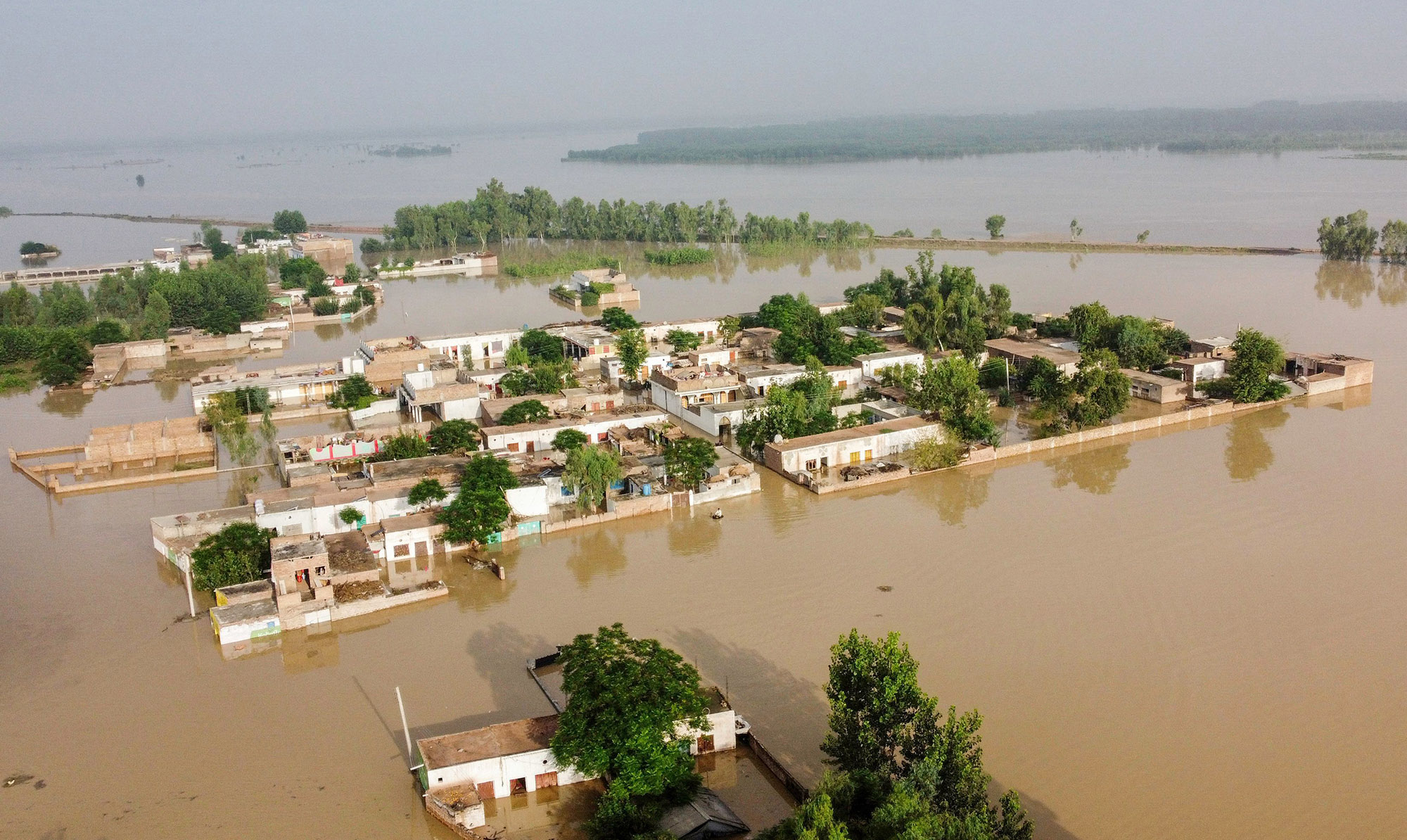
Recent Floods and Devastation in Pakistan

To regard the recent floods in Pakistan merely as a local problem or a failure of governance is to ignore the deeper reality. This disaster is a complex, global issue directly tied to climate change and international politics. Pakistan, despite contributing less than one percent to global carbon emissions, is among the countries most severely affected by these changes. To understand the causes and responsibilities, we must examine the crisis in a broader context.

Climate Change and Its Intensifying Effects
Climate change driven by the massive carbon emissions of industrialized nations—is now manifesting its devastating consequences.

Unprecedented Rainfall: Worldwide rainfall patterns have grown increasingly erratic. In Pakistan, the monsoon rains have become far more intense and unpredictable than before. Neither the country’s climate infrastructure nor its rivers and canals are capable of absorbing these torrential downpours.

Melting Glaciers: The glaciers of northern Pakistan are melting at an alarming pace, a direct outcome of rising global temperatures. This sudden surge in glacial meltwater overwhelms river systems and triggers catastrophic flooding downstream.

Global Injustice: Developing nations like Pakistan urgently require funding to cope with climate change. Yet, international pledges such as the Green Climate Fund often remain unfulfilled. This exposes the inequitable and irresponsible behavior of the global community.

International Politics and the Politics of Water
Flooding in Pakistan is also tied to the geopolitics of rivers and transboundary water management.

Rivers from India: Most major rivers flowing into Pakistan including the Sutlej and Chenab—originate in India. Despite the Indus Waters Treaty, timely and transparent sharing of information about water releases remains inadequate. When India discharges excess water from its reservoirs, the flood risk in Pakistan’s low-lying regions multiplies.

Lack of Global Water Rights Framework: No clear, enforceable international regulation governs the fair use of shared water resources. As a result, one nation’s decisions can have destructive consequences for its neighbors.

Human and Economic Toll
The floods have inflicted widespread loss of life, property, and livelihoods across the country.

Casualties: More than 400 people have lost their lives, with over 240 injured due to torrential rains and flooding.
Agriculture: Millions of acres of standing crops have been destroyed, dealing a crushing blow to farmers.
Infrastructure: Roads, bridges, and communication networks have suffered extensive damage. Thousands of homes are either partially or completely destroyed, leaving countless families without shelter.

Most Affected Regions
Khyber Pakhtunkhwa: The province is among the hardest hit, particularly the upper regions of Swat, Buner, Bajaur, Torghar, Mansehra, and Battagram.
Sindh and Balochistan: These provinces bore the brunt of the 2022 floods as well, which killed more than 1,500 people and affected over 30 million residents.
Punjab: Lahore, Sheikhupura, Kasur, Okara, Gujranwala, Sialkot, Multan, Muzaffargarh, and Bahawalpur districts have also experienced significant flooding.

Areas at Future Risk
The National Disaster Management Authority (NDMA) and the Meteorological Department have warned of further heavy rains in the coming days. Parts of Punjab and Balochistan remain especially vulnerable. Rising water levels in the Sutlej, Beas, Ravi, and Chenab rivers threaten communities living near riverbanks with additional loss of life and property.

Conclusion: A Shared Global Responsibility
The recent floods in Pakistan are not merely a natural calamity; they represent a man-made disaster born of climate change—a crisis driven by industrial emissions and exacerbated by unjust global politics.

For Pakistan to recover and for future catastrophes to be prevented, the international community must accept its responsibility:
Financial Support: Developing nations must receive immediate funding to strengthen infrastructure and adapt to climate impacts.
Global Water Policy: International agreements must establish fair, enforceable principles for the use and release of shared water resources.

Unless the world recognizes this as a global crisis rather than a regional problem, such devastation will continue to recur with greater frequency and severity.

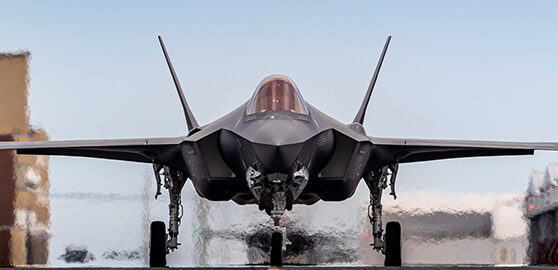
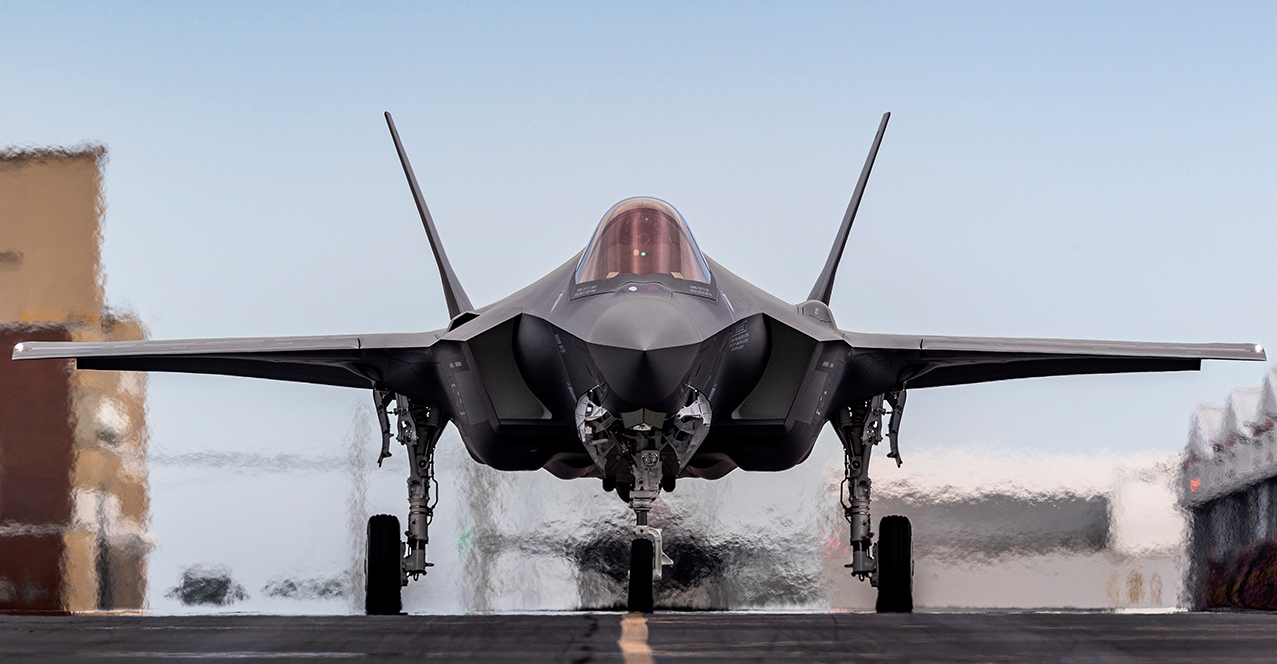
F-35 Lightning II: America’s Fifth-Generation Multi-role Fighter

The F-35 Lightning II is the most advanced multirole combat aircraft ever produced, combining stealth, supersonic speed, sensor fusion, and unmatched versatility. To understand why the F-35 program was launched, we must first look at what the United States lacked before its development and how it came to dominate the future of aerial warfare.

Why the USA Needed the F-35
Before the F-35 program, the U.S. military relied on fourth-generation aircraft such as the F-15 Eagle, F-16 Fighting Falcon, and F/A-18 Hornet. While effective in their time, these platforms lacked stealth technology, advanced sensor fusion, and true multirole flexibility. With adversaries like Russia developing the Su-57 and China advancing stealth fighters such as the J-20, the U.S. urgently needed a fifth-generation aircraft capable of defeating high-end threats, surviving dense air defense networks, and carrying out precision strike missions. The F-35 was designed to be this solution.

From Competition to Selection: X-32 vs X-35
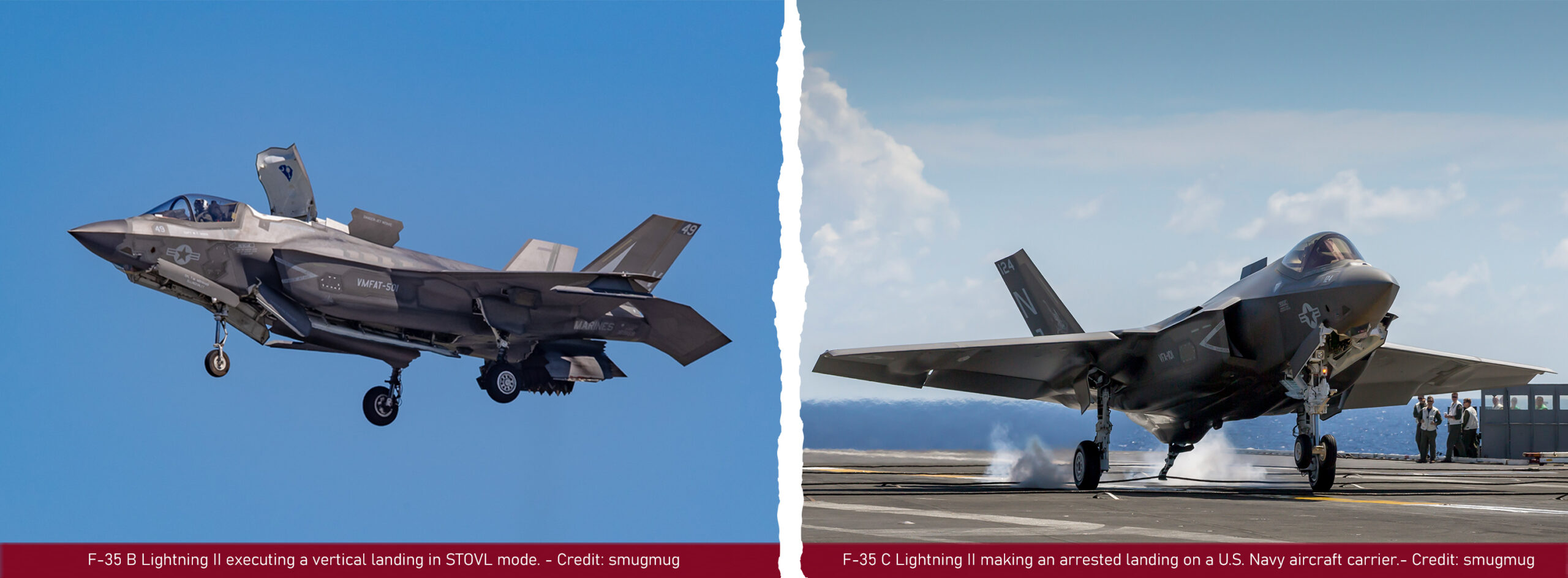
In 1993, the Department of Defense initiated the Joint Strike Fighter (JSF) program to develop a single family of fighters for the Air Force, Navy, and Marine Corps. Boeing’s X-32 and Lockheed Martin’s X-35 prototypes went head-to-head in a competition that tested stealth, agility, affordability, and adaptability to three variants: a conventional takeoff and landing (CTOL), a STOVL F-35B variant, and a carrier-based model. Lockheed’s X-35 outperformed Boeing’s entry, particularly in STOVL demonstrations where it transitioned smoothly from supersonic flight to vertical landing. Boeing’s design struggled with weight and maneuverability. In 2001, Lockheed Martin was declared the winner, giving birth to the F-35 Lightning II.

First Flight and Weapons Testing
The first F-35A flew on December 15, 2006, from Fort Worth, Texas. By 2012, the aircraft had completed its first live weapons release, dropping precision-guided bombs while retaining stealth. Testing later validated the use of AIM-120 AMRAAM, AIM-9X Sidewinder, GBU-12 Paveway II, JDAMs, and Small Diameter Bombs. Continuous integration ensures future compatibility with advanced long-range missiles like the AGM-158 JASSM and anti-ship LRASM.

Production and Global Orders
The Pentagon originally planned 2,456 aircraft across U.S. services. More than 1,200 have been delivered globally. Key operators include:

• United States
• United Kingdom
• Italy
• Japan
• Israel
• South Korea
• Australia
• The Netherlands
• Norway
• Denmark
• Finland
• Switzerland

The F-35 has become the backbone of NATO’s and allied nations’ future airpower.
Technical Capabilities and Targeting Systems
The F-35 is equipped with the AN/APG-81 AESA radar, capable of tracking up to 20 targets simultaneously and engaging several at once with beyond-visual-range missiles. In air-to-air combat, the aircraft can detect enemy fighters at ranges exceeding 150 kilometers. Sensor fusion integrates radar, infrared, and electronic warfare inputs into a single pilot display, reducing workload and increasing situational awareness.

The Distributed Aperture System (DAS) provides real-time 360-degree coverage, allowing the pilot to “see through” the aircraft via the helmet-mounted display (HMD). The Electro-Optical Targeting System (EOTS) delivers long-range tracking and laser designation for precision strikes. In night or adverse weather, these systems give the F-35 unmatched targeting and survivability.

Flight Control, Avionics, and Safety Systems
The F-35 uses a quadruple-redundant digital fly-by-wire control system, ensuring stability and responsiveness in all flight conditions. Avionics include a Panoramic Cockpit Display (PCD), a 20-inch touchscreen that integrates maps, weapons, communications, and navigation. The HMD projects real-time flight data, weapons lock, and night-vision imagery directly onto the pilot’s visor.

For safety, the F-35 is equipped with Martin-Baker US16E ejection seats, designed to protect pilots across the flight envelope, including at low speeds and high altitudes. Automatic Ground Collision Avoidance Systems (Auto-GCAS) reduce the risk of crashes during pilot disorientation.

Engine and Powerplant
All F-35 variants use the Pratt & Whitney F135 afterburning turbofan, producing 28,000 lbs thrust dry and 43,000 lbs with afterburner. The engine enables a top speed of Mach 1.6. The F-35B variant adds a Rolls-Royce LiftFan system, enabling vertical landings and short takeoffs from small carriers and forward bases. The F135 is the world’s most powerful fighter engine and incorporates a stealth nozzle design to reduce infrared signature. The aircraft’s maximum altitude is about 50,000 feet.
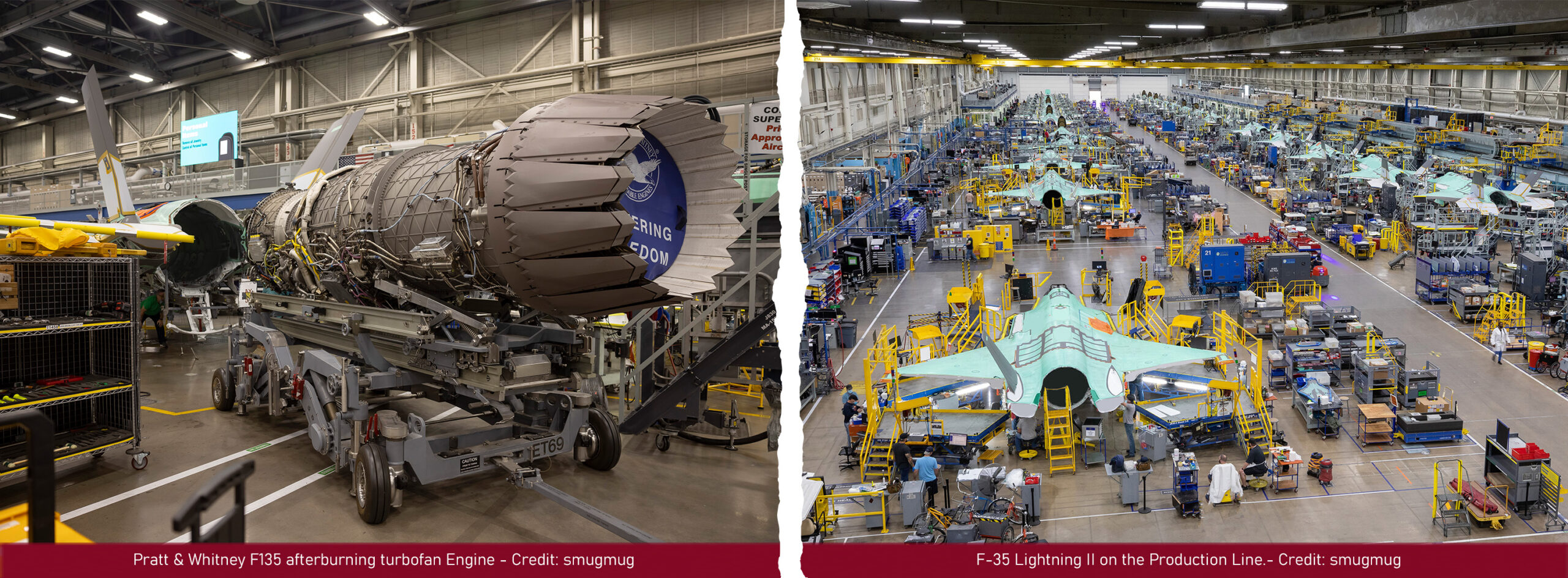
Maneuvering and Combat Capabilities
Though not designed as a pure dogfighter, the F-35 is highly maneuverable thanks to its digital flight controls, high thrust-to-weight ratio, and stealth. In beyond-visual-range (BVR) engagements, its radar and missiles dominate, while in within-visual-range (WVR) fights, high off-boresight targeting through the HMD gives it an edge. The jet can simultaneously engage multiple enemy aircraft, launch radar-guided AMRAAMs at long range, and transition to infrared-guided AIM-9X missiles in close combat.

Specifications
Length: 51.4 ft (15.7 m)
Wingspan: 35 ft (10.7 m)
Height: 14.4 ft (4.38 m)
Maximum Speed: Mach 1.6 (1,200 mph, 1,930 km/h)
Combat Radius: ~670 miles (1,080 km)
Ferry Range: ~1,380 miles (2,220 km)
Service Ceiling: 50,000 ft (15,240 m)
Radar: AN/APG-81 AESA, >150 km range
Weapons Capacity: 18,000 lbs internal and external
Cockpit Display: Panoramic touchscreen + HMD with augmented reality
Airframe: Carbon-fiber composites, radar-absorbent coatings

Armaments
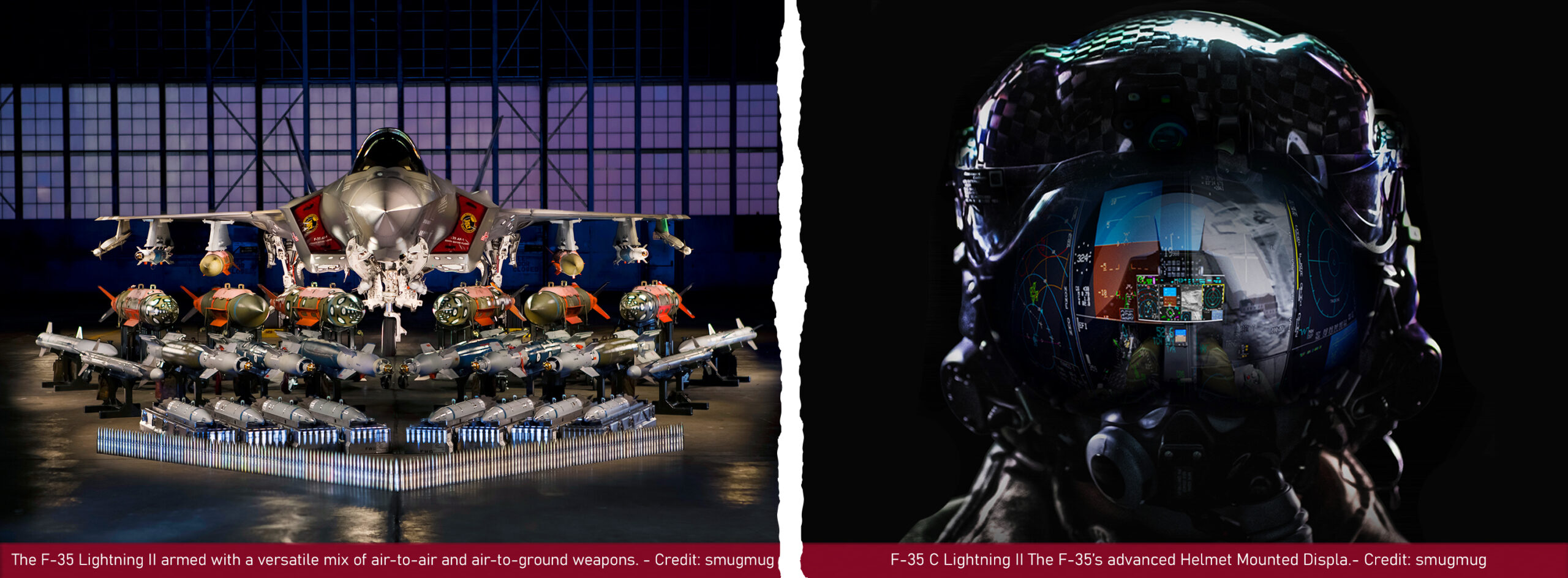
The F-35 can carry a wide spectrum of weapons:
Air-to-Air: AIM-120 AMRAAM (range ~180 km), AIM-9X Sidewinder (short-range, high off-boresight)
Air-to-Ground: JDAM, Paveway II/III, Small Diameter Bombs, AGM-154 JSOW
Anti-Ship: AGM-158C LRASM (future integration)
Anti-Radiation: AGM-88 HARM upgrades
Gun: GAU-22/A 25mm cannon, internal on F-35A, podded on F-35B/C

F-35 Helmet Mounted Display (HMD)
The F-35 does not use a traditional Head-Up Display (HUD). Instead, it employs the revolutionary Helmet Mounted Display System (HMDS), developed by Elbit Systems and Collins Aerospace. This helmet gives pilots unparalleled situational awareness and essentially becomes the cockpit’s central interface.

The HMDS projects critical flight data, targeting information, and navigation cues directly onto the pilot’s visor. Unlike conventional HUDs limited to forward view, the helmet provides a 360-degree “see-through” capability by integrating inputs from the aircraft’s Distributed Aperture System (DAS). This allows the pilot to look “through” the aircraft’s airframe and view the outside environment in real time.

The system includes:
Night Vision Integration: Built-in sensors eliminate the need for separate night vision goggles.
Target Tracking: The pilot can lock onto targets simply by looking at them.
Symbology: Weapon status, speed, altitude, and mission data are displayed directly in view.
Custom Fit: Each helmet is 3D-scanned and tailored to the pilot’s head for precision alignment and comfort.

At a cost of around $400,000 per unit, the F-35 helmet is more expensive than many luxury cars — but it transforms the jet into an extension of the pilot’s body, ensuring unmatched combat effectiveness.
Combat Experience and Mishaps
The F-35 has steadily transitioned from a developmental platform into a proven combat aircraft across multiple regions of the world. Its first confirmed operational use came in 2018, when the Israeli Air Force employed its F-35I “Adir” in precision strike missions in Syria. Israel became the first country to use the aircraft in combat, and its commanders praised the jet’s ability to penetrate dense air defense systems while remaining undetected.

Since then, the F-35 has been deployed by U.S. forces in Afghanistan, Iraq, and Syria. U.S. Marine Corps F-35Bs aboard amphibious assault ships conducted their first combat strike in Afghanistan in September 2018, targeting Taliban positions. The U.S. Air Force followed in April 2019, employing F-35As from Al Dhafra Air Base (UAE) against ISIS targets in Iraq.

Other allied nations have also begun employing the jet operationally. The UK’s Royal Air Force and Royal Navy deployed F-35Bs from HMS Queen Elizabeth during operations in the Mediterranean in 2021. Japan, Italy, and Norway have also integrated their fleets into NATO missions, though without confirmed combat use.

Despite its successes, the program has seen mishaps:
• United States: F-35B crash (2018) – faulty fuel tube; F-35A crash (2020) – night landing, pilot disorientation; F-35C crash (2022) – USS Carl Vinson, later recovered.
• Japan: F-35A crash (2019) – Pacific Ocean, spatial disorientation.
• United Kingdom: F-35B crash (2021) – HMS Queen Elizabeth, intake cover ingestion.
• Other incidents: Runway overruns and ground accidents, fewer than two dozen global losses.
Each mishap has led to concurrency upgrades — software, hardware, and training improvements applied fleet-wide, steadily improving safety and reliability.

Costs and Maintenance
F-35A: ~$80 million
F-35B: ~$100 million
F-35C: ~$94 million
Operating cost: $33,000–$44,000 per flight hour
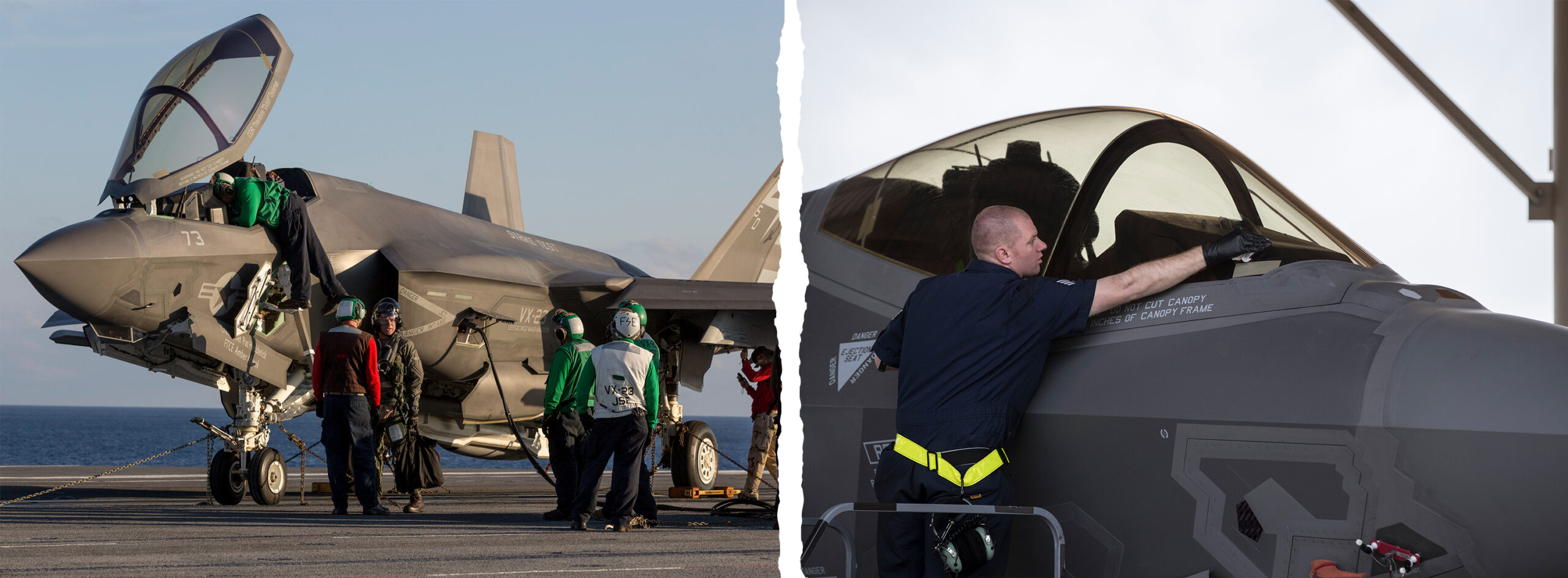
Maintenance: Engine inspection every 250–300 hours, regular avionics & stealth coating upgrades
Total program cost: ~$1.7 trillion (lifetime)
International Collaboration
The F-35 Lightning II is not just an American aircraft; it is the centerpiece of one of the most ambitious international defense collaborations in history. The program was designed from the outset as a multinational effort, with partner countries sharing costs, technology, production responsibilities, and future maintenance. This approach not only spreads development expenses but also ensures allied interoperability in future conflicts.

United States
Lockheed Martin serves as the prime contractor, overseeing design, assembly, and systems integration.
Pratt & Whitney produces the F135 engine, the most powerful fighter engine in the world, with thrust exceeding 43,000 lbs.
• U.S. facilities also coordinate software development, stealth coatings, and mission systems integration.

United Kingdom
• The UK is the only Level 1 partner in the program and has invested heavily in its success.
BAE Systems manufactures the aft fuselage, vertical tails, and contributes to avionics and flight control systems.
• The UK also co-developed key aspects of the STOVL F-35B variant, ensuring its suitability for Royal Navy carriers.

Italy
• Italy, a Level 2 partner, plays a central role in European F-35 production.
Leonardo (formerly Alenia Aermacchi) builds major wing components and operates the Final Assembly and Check-Out (FACO) facility in Cameri, one of only two global assembly lines outside the U.S.
• The Cameri facility not only produces Italian F-35s but also assembles aircraft for other European customers, such as the Netherlands, and acts as a regional maintenance hub.

Australia
• Provides structural components, composite panels, and titanium castings for every F-35 produced globally.
• Hosts Pacific sustainment hubs for airframe and engine maintenance, ensuring long-term support for fleets across the Asia-Pacific.

Norway and Denmark
• Both countries contribute advanced structural parts, electronic components, and support systems.
• Norway developed the Joint Strike Missile (JSM), specifically designed to fit inside the F-35’s internal weapons bay — extending its strike capabilities.

Netherlands
• Produces flaperons (control surfaces) and other advanced composite structures.
• Plays a major role in European-level logistics and sustainment for allied F-35 fleets.

Canada
• Though not yet an F-35 operator (decision finalized in 2022 to procure F-35As), Canada has long participated as an industrial partner.
• Canadian companies supply electrical wiring, landing gear components, and composite structures.

Turkey (past involvement)
• Initially a partner and planned customer, Turkey contributed to production of fuselage parts, landing gear, and avionics.
• In 2019, Turkey was suspended from the program after purchasing the Russian S-400 air defense system. Production responsibilities were redistributed among other partners.

Japan
• While not an original JSF partner, Japan is now the largest foreign customer, with plans for more than 140 F-35s.
• Operates a domestic assembly and check-out line at Nagoya, run by Mitsubishi Heavy Industries.
• Japanese industry contributes advanced composite parts and avionics.

Israel
• Israel received a custom variant, the F-35I “Adir”, with locally integrated electronic warfare systems and weapons.
• Israeli industry (IAI and Elbit Systems) contributes to wings, avionics software, and helmet-mounted display technology.

This multinational collaboration ensures that the F-35 is not only a U.S. fighter but a shared allied project, enhancing interoperability among NATO members and partners. Every F-35 flying today contains parts manufactured on multiple continents, symbolizing an interconnected defense strategy for the 21st century.
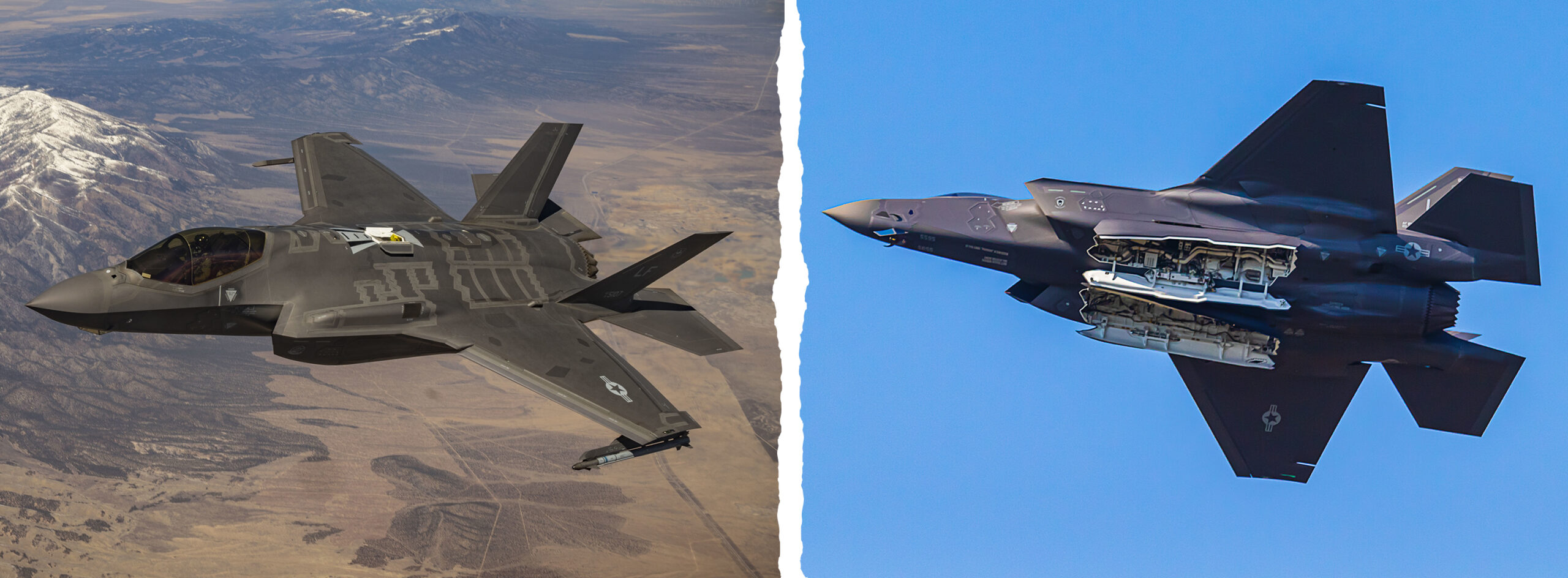
The Future Beyond the F-35

The F-35 program is designed to remain in active service until at least 2070, ensuring decades of frontline relevance. However, military planners are already preparing for the next leap in aerial warfare through the Next Generation Air Dominance (NGAD) program. Unlike the F-35, which was conceived as a single airframe adaptable to multiple roles, NGAD envisions a “system of systems” approach — combining a manned sixth-generation fighter with a network of unmanned drones, satellites, and ground assets working together.

Key features expected in NGAD include:

AI-assisted combat operations: allowing pilots to focus on decision-making while onboard systems and drone “wingmen” handle targeting, navigation, and threat detection.

Optional unmanned flight capability: enabling the aircraft to be flown remotely or autonomously in high-risk missions.

Directed-energy weapons: such as high-powered lasers designed for missile defense, electronic warfare, and potentially even air-to-air combat.

Enhanced stealth and survivability: with adaptive camouflage, thermal signature reduction, and radar-absorbing materials more advanced than anything currently deployed.

Next-generation propulsion systems: capable of longer range, higher speeds, and potentially incorporating hybrid or adaptive engines for efficiency and performance.

Until NGAD enters service expected in the 2030s the F-35 will remain the backbone of allied airpower, not only for the United States but also for over a dozen partner nations. With continuous software upgrades, modular hardware improvements, and integration into advanced data-sharing networks, the F-35 is evolving into a true force multiplier that bridges the gap between current fifth-generation fighters and the revolutionary sixth-generation designs on the horizon.
Climate Change and a Sustainable Future: A Call and a Responsibility

This is about our home, the Earth where we opened our eyes. It is not just a planet; it is our mother, who nurtured us, raised us, and blessed us with every gift of life. But today, our mother is in pain. Her skies are heavy, her oceans are becoming poisoned, and her forests are losing their green embrace. This is not simply a scientific challenge; it is a human one.

The numbers behind climate change may sound dry and lifeless: 51 billion tons of carbon dioxide, a rising global temperature. But behind those figures lies the human story. It is the story of a child whose home was swept away by floods, the farmer whose crops withered under relentless drought, and the mother who walks for miles in search of clean water.

Our Earth, our home, rests on a fragile balance, a balance we ignored in the race for progress. To the beat of machines, we danced and forgot to hear the quiet cry of nature. Now the time has come to answer for that neglect.

The solution is not found in massive machines or technology alone. It begins in our hearts. It lies in compassion for one another. When we hear of a storm devastating a poor country, we must remember it is not just a headline; it is suffering endured by people of our own human family.

We cannot rely solely on government policies or corporate strategies to answer this call. Each individual has a role to play. Planting a single tree, saving water from being wasted, switching off electricity when not needed these may seem like small acts. But when millions come together, small acts ignite great change.

The Way Forward: What Can Be Done?

Climate change is complex, but we are not powerless. There are critical steps within our reach.

Renewable Energy
We must reduce reliance on fossil fuels such as oil, gas, and coal, and transition toward clean sources like solar, wind, and hydropower. This will cut carbon emissions and build energy independence. Promising new technologies such as advanced nuclear power and long-term energy storage are also emerging.

Reforestation
Trees are vital. They absorb carbon dioxide and purify the air. Expanding green spaces in cities, protecting forests, and mass tree plantation campaigns are urgent priorities.

Carbon Capture Technology
Cutting emissions is not enough; we must also remove existing carbon from the atmosphere. New technologies are being developed to capture carbon directly from industrial plants or even from the air.

Waste Management and Recycling
A more efficient system is needed to deal with waste and plastic pollution. Recycling reduces pressure on natural resources and curbs environmental degradation.

Renewable Energy
We must reduce reliance on fossil fuels such as oil, gas, and coal, and transition toward clean sources like solar, wind, and hydropower. This will cut carbon emissions and build energy independence. Promising new technologies such as advanced nuclear power and long-term energy storage are also emerging.

Reforestation
Trees are vital. They absorb carbon dioxide and purify the air. Expanding green spaces in cities, protecting forests, and mass tree plantation campaigns are urgent priorities.

Carbon Capture Technology
Cutting emissions is not enough; we must also remove existing carbon from the atmosphere. New technologies are being developed to capture carbon directly from industrial plants or even from the air.

Waste Management and Recycling
A more efficient system is needed to deal with waste and plastic pollution. Recycling reduces pressure on natural resources and curbs environmental degradation.

Sustainable Water Use
Water is precious. We must prevent waste, harvest rainwater, and adopt efficient farming methods such as drip irrigation to conserve supplies.

International Cooperation
Climate change does not respect borders. All nations must work together, especially in supporting developing countries with financial resources and technological expertise.

This planet is the trust of future generations. Our greatest responsibility is to leave behind a world that is safe and healthy. To do so, we must change how we live, as individuals and as societies, so that this beautiful Earth endures forever.

The Enigma of AI

The Enigma of AI
The modern era is an era of technology where the latest and varied changes have transformed the ways of living for humans.

The current technological sensation is Artificial Intelligence. Artificial intelligence is usually a method, tool and path which is more used than understood. There are above 1500 search engines in this world but whenever anyone wants to search anything, a common term is used which is “Google it”.

Likewise with AI, there are daily advancements, modifications, and improvements going on. But people connect AI with ChatGPT only.

Chat AI Overview
ChatGPT is a conversational AI chatbot developed by OpenAI that uses large language models to generate human-like text, engage in conversations, and perform various language-based tasks. It can answer questions, write different kinds of content, translate languages, summarize text, and even assist with coding.

Generative AI:
ChatGPT is a type of generative AI, meaning it can create new content based on the data it has been trained on.

Large Language Models:
It’s built on large language models (LLMs) that have been trained on vast amounts of text data, allowing it to understand and generate human-quality text.

Conversational Interface:
Users interact with ChatGPT through a conversational interface, sending prompts (questions, requests, etc.) and receiving responses.

Multimodal Capabilities:
While primarily known for text generation, ChatGPT can also handle audio and image inputs and outputs, and some versions can even generate images and videos.

Wide Range of Applications:
ChatGPT can be used for a variety of tasks, including:
• Answering questions: Providing information, explanations, and summaries.
• Writing content: Generating articles, stories, poems, scripts, and more.
• Code generation and debugging: Assisting with coding tasks, including writing code, explaining code, and identifying errors.
• Translation: Converting text from one language to another.
• Summarization: Condensing large amounts of text into shorter summaries.
• Brainstorming ideas: Helping with creative tasks and problem-solving.
• Simulating conversations: Engaging in interactive dialogues.

User Interaction:
Users can interact with ChatGPT through a chat interface, sending prompts and receiving responses. They can also provide feedback on the responses, which helps the model learn and improve.

Accessibility:
ChatGPT is available through a web interface and mobile apps, making it accessible to a wide range of users.

It is surprising to see that a platform has changed the overall mindset, availability of information, and connections of life. With so many qualities, now AI is the talk of the town but currently no one is looking at the real concerning areas behind it.

The biggest enigma of AI is that this platform has been opened to 8.2 billion humans of the world without giving them any proper introduction, details about AI fundamentals, and also the process of AI.

People are only interested in the surface outcomes of AI and this is causing over-reliance. Then, the problem is that this over-reliance can be mental, psychological, and conceptual. All these factors are currently evolving but are not observed by pertinent people.

Further, the validity of the information is the concern. The output provided by AI can be evaluated only if the prompt giver has information. But in the majority of the cases, people enquire about things which they don’t know and then use the output from AI as it is.

It is predicted that a strong flow of miscommunication and false communication and information is coming which will be accepted as valid and reliable. This will create enormous problems amongst humans and will hurt them in several ways.

Further, this information can also mislead humans in the development of their behaviors and attitudes and can cause distress, mistrust, and false deception of the relationships. It is concluded that AI is a beneficial element yet it needs proper guidelines, training, and information for betterment.

AI and the Gulf: How the GCC Is Shaping the Future of Artificial Intelligence

Artificial Intelligence is no longer a futuristic vision it is changing how we live, work, and govern. From revolutionizing healthcare to powering smart cities and global R&D, AI is accelerating breakthroughs across focus sectors. GCC countries are recognizing this seismic shift and positioning themselves at the forefront of AI innovation, driven by national visions, investment in talent, and strategic institutions.

United Arab Emirates: A Visionary Leader
In 2017, the UAE became the first country to appoint a Minister of State for Artificial Intelligence, kicking off its AI Strategy 2031 to establish global dominance in AI across healthcare, education, energy, transport, and government services.

The capital, Abu Dhabi, has unveiled a $13 billion government digital strategy (2025–2027) to automate public services and build massive cloud and AI infrastructure.

In 2020, UAE opened Mohamed bin Zayed University of Artificial Intelligence (MBZUAI) the world’s first graduate AI university. MBZUAI now offers undergraduate, master’s, PhD, and Executive Programs, collaborating with UNDP to support sustainable development across sectors.

Abu Dhabi’s Technology Innovation Institute (TII) under the Advanced Technology Research Council focuses on quantum computing, cryptography, robotics, and advanced LLMs (e.g., Falcon and Noor) for national and global application.

MBZUAI recently unveiled PAN (an AI world model) and large-scale LLMs like Jais and K2, along with launching a research hub in Silicon Valley, linking global expertise to the UAE’s AI ecosystem.

In May 2025, high-profile US–UAE tech partnerships worth over $200 billion were announced, including data center infrastructure agreements and talent initiatives supported by G42 and Mubadala.

Saudi Arabia: Building an AI Powerhouse
Saudi Arabia’s National Strategy for Data & AI (NSDAI) targets becoming a top 15 AI nation by 2030. The Saudi Data and AI Authority (SDAIA), established in 2019, leads the charge in data governance and AI coordination.

In May 2025, the kingdom launched Humain, an AI enterprise under the Public Investment Fund (PIF), focused on building Arabic multimodal LLMs, data centers, and AI infrastructure, backed by partnerships with NVIDIA, AMD, Qualcomm, AWS, and more.

Saudi Arabia also champions regional digital cooperation through the Digital Cooperation Organization (DCO), headquartered in Riyadh and including Bahrain, Kuwait, Oman, and Qatar advancing digital prosperity and AI governance frameworks.

Qatar: Arabic AI & Sustainable Innovation
Qatar has aligned its AI strategy with National Vision 2030, partnering with MIT and supporting the Qatar Computing Research Institute (QCRI) for Arabic-language AI, sports analytics, and energy sector applications.

QCRI’s Fanar platform provides advanced Arabic-centric multimodal LLMs, Arabic speech/image generation, and domain-adapted systems for Islamic and recency-aware applications.

Bahrain, Kuwait & Oman: Structured Growth and Better Governance
Bahrain established AI procurement guidelines in 2019 to promote responsible adoption across government agencies, embedding ethical, transparent frameworks.
Kuwait is actively developing legal and regulatory structures to govern AI, emphasizing cybersecurity, privacy, and harmonization with international AI norms.
Oman has integrated AI within its Vision 2040, expanding its digital and cloud infrastructure in collaboration with Microsoft and Google Cloud, focusing on public services and economic diversification.

Regional Overview: Governance, Talent & Economic Potential
A recent comparative analysis highlights a “soft regulation” style across GCC: flexible national strategies emphasizing innovation and ethics, but with ongoing concerns around enforceability and oversight.

GCC countries are investing heavily in talent development: Saudi Arabia’s “One Million Saudis in AI”, and the UAE’s National Program for Coders and golden visa for technology professionals to attract global expertise.

According to McKinsey, generative AI alone could deliver $21 billion–$35 billion annually to GCC economies, equating to 1.7–2.8% of non-oil GDP.

Looking Ahead: GCC’s AI Future Vision
The UAE aims to contribute by 2030 an estimated 13.6% of GDP ($96 billion) through AI, anchored by infrastructure, global talent centers (MBZUAI, Silicon Valley hub), and AI integration in governance.

Saudi Arabia is leveraging Humain, SDAIA, PIF investment, and DCO collaborations to establish itself as an AI export economy and smart infrastructure leader.

Qatar seeks leadership in Arabic-language AI and knowledge-driven sustainable development, while Bahrain, Kuwait, and Oman focus on scaling digital governance, regulation, and citizen services.

The GCC’s ambition to become an AI hub is no longer aspirational it is well underway. With robust national strategies, cutting-edge institutions like MBZUAI, SDAIA, TII, DCO, and strategic AI companies such as Humain, the region is rapidly building capacity to transform public services, diversify economies, and lead ethically within the global AI ecosystem.

By 2030–2031, the GCC aims not just to adopt AI, but to export AI innovation globally shaping the future of technology, human capital, and governance from within the Gulf.

Mangroves: The Lifeline of Our Coasts and a Priceless Asset to Life

Mangroves: The Lifeline of Our Coasts and a Priceless Asset to Life

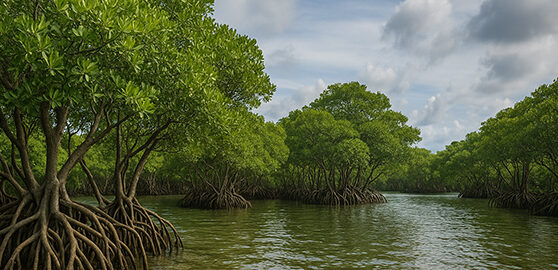
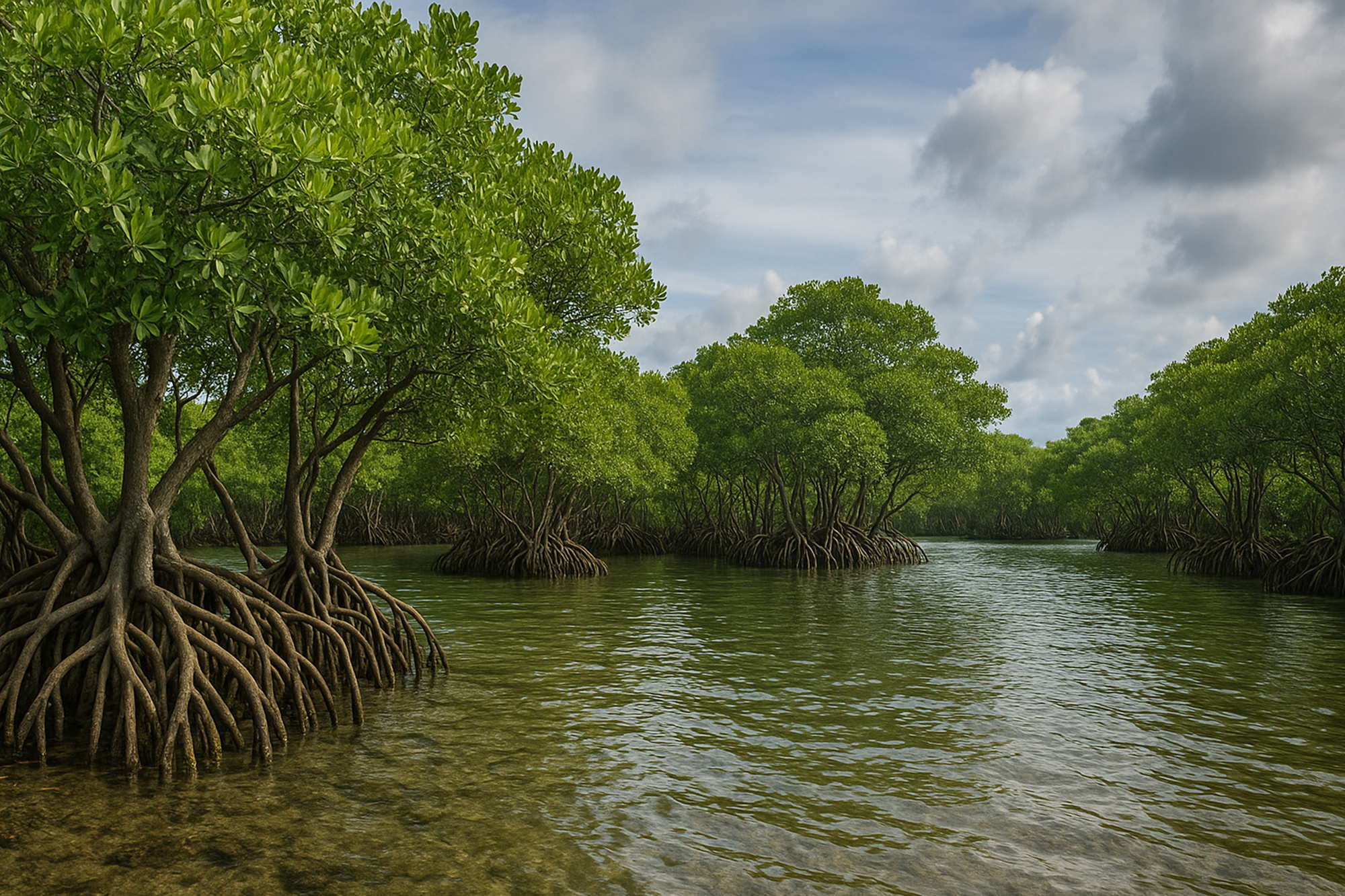
Have you ever stood at the shoreline and observed those trees quietly rooted in salty waters, spreading their roots in silence? These are mangroves nature’s marvel thriving in the harsh conditions of brackish water and soft, muddy soil. They don’t merely survive; they lay the foundation for a vibrant ecosystem. Their submerged roots, intertwined within marshy soil, teach us how life can grow and flourish even in adversity. These forests are not just collections of plants; they are the soul of one of Earth’s most essential ecological systems.

Why Are Mangroves Important? Environmental and Economic Significance
Mangroves do more than maintain ecological balance they are indispensable for both human populations and the economy.

Coastal Protection and Disaster Mitigation
Mangroves act as natural barriers, shielding coastal areas from sea storms, tsunamis, and soil erosion. Their dense root networks hold soil firmly in place, reduce the intensity of waves, and absorb excess floodwater. This process not only protects coastal communities from loss of life and property but also safeguards critical infrastructure like ports and highways. Experts estimate that one kilometer of mangrove forest can reduce wave energy by up to 75 percent.

Biodiversity Hotspot
These forests serve as vital habitats and breeding grounds for a diverse array of marine and terrestrial life. Thousands of fish species, crabs, prawns, oysters, and countless birds seek shelter, nourishment, and reproduction in mangroves. Many marine species spend their early lives in the protected environment of mangroves safe from predators and ideal for growth before migrating to the open sea. Thus, mangroves serve as a natural nursery for the fishing industry.

Carbon Sequestration
Mangroves are known as “blue carbon ecosystems.” Compared to terrestrial forests, they are far more efficient in absorbing carbon dioxide and storing it long-term in their oxygen-poor soils and biomass. Research shows mangroves can store three to five times more carbon per unit area than typical forests, making them critical in mitigating climate change.

Water Filtration and Quality Enhancement
Mangrove roots and soil systems naturally filter pollutants such as nitrates, phosphates, and other chemicals flowing in from rivers and streams. This improves marine water quality, which is essential for ocean life and provides a healthier environment for nearby human communities.

Economic Value and Livelihood Support
Mangroves are vital for the livelihoods of many coastal communities. Fishing, shrimp farming, and harvesting forest resources like honey and timber support the income of millions. Furthermore, eco-tourism linked to mangrove forests provides an additional economic boost to local areas.

Global Distribution of Mangroves: A Geographical Overview
Mangroves are primarily found in tropical and subtropical coastal zones, where average temperatures exceed 20°C and brackish water conditions exist. They are abundant along the coasts of the Indian, Pacific, and Atlantic Oceans.

Asia
Indonesia has the largest share of global mangroves. The world’s largest continuous mangrove forest, the Sundarbans, spans across Bangladesh and India and is home to the famous Royal Bengal Tiger. The Philippines, Thailand, Malaysia, and Pakistan particularly the Indus Delta also host significant mangrove ecosystems.

Africa
Mangroves are found along both eastern and western coasts, including in Nigeria, Senegal, Kenya, and Mozambique.

North, Central, and South America
Brazil is known for its vast mangrove ecosystems. They also grow along the coasts of Mexico, the United States (especially Florida and Louisiana), and the Caribbean islands.

Australia and Pacific Islands
Northern Australia and many small Pacific islands have extensive mangrove populations.

Mangroves in Karachi: A Local Perspective
Karachi, Pakistan’s largest and most densely populated coastal city, would face serious environmental and economic threats without mangroves.

Defense Against Storms and Floods
Karachi frequently experiences tropical storms and intense rainfall. Mangroves help reduce the impact of these storms and protect coastal regions from flooding and erosion acting as a natural wall of defense for the city.

Foundation of the Fishing Industry
A significant portion of Karachi’s economy relies on fisheries and seafood. Mangroves serve as nurseries where fish and prawns grow safely. Damage to these forests can directly impact fishery production, threatening the livelihoods of thousands of families.

Urban Climate and Environmental Improvement
In a large, polluted, and heat-stricken city like Karachi, mangroves act like natural “air conditioning.” They help regulate temperature, supply oxygen, and purify the air improving overall urban climate.

Land Stability
The Indus Delta, where Karachi lies, is home to one of the world’s largest arid-climate mangrove forests. These trees stabilize soil and protect coastal formations critical to the city’s geography.

Threats and the Urgency of Protection
Unfortunately, Karachi’s mangroves are under severe threat due to land grabbing for urban expansion, industrial and domestic pollution, and illegal logging. Protecting and restoring these invaluable forests is not just a matter of environmental balance it is vital for Karachi’s economic and social future. We must recognize that mangroves are more than just trees; they are a priceless asset that shields our coastlines and sustains life.

A Collective Responsibility
Mangrove conservation is a shared duty. Can we come together and take real action to protect this lifeline of our coasts?